What is an Asme Reactor and How Does it Work?
The Asme Reactor represents a pivotal technology in various industrial applications. According to a recent report by Global Industry Analysts, the global reactor market is expected to reach a valuation of over $4 billion by 2025. This indicates a growing dependence on specialized reactors, including the Asme Reactor, for safe and efficient processes.
Dr. Elizabeth Harmon, an expert in chemical engineering, emphasizes the importance of proper reactor design. She states, “The efficiency of an Asme Reactor hinges on its adherence to safety standards and operational protocols.” This highlights the critical nature of complying with ASME regulations, designed to ensure the integrity and safety of reactors.
Working with an Asme Reactor involves understanding complex processes. These reactors facilitate chemical reactions under controlled conditions, impacting output quality and safety. However, reliance on these systems can lead to challenges in process optimization. Companies striving for excellence must continually reflect on their operational protocols to avoid potential pitfalls.
What is an ASME Reactor?
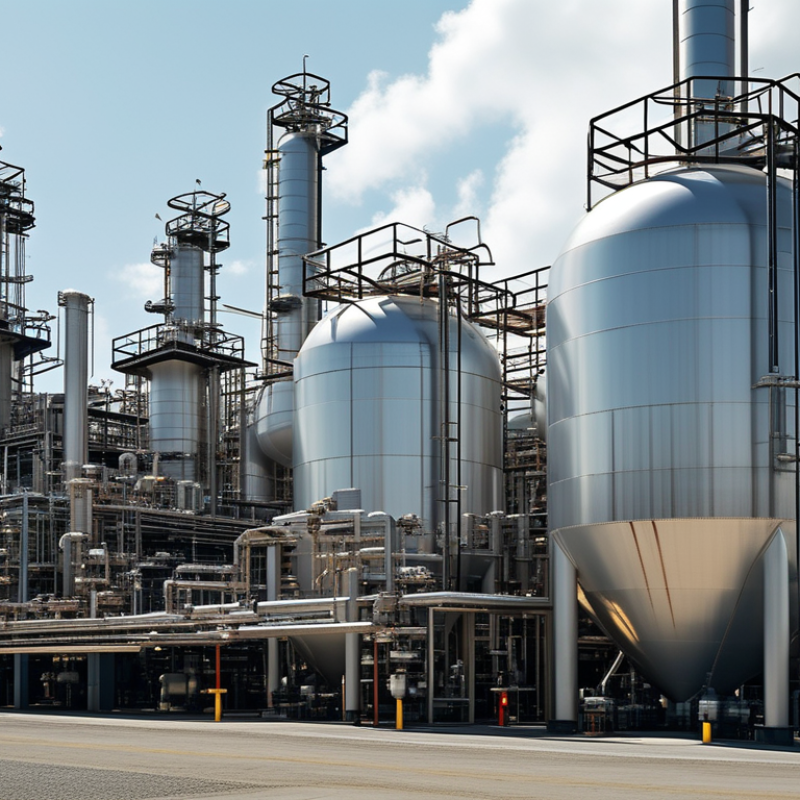
An ASME reactor, or American Society of Mechanical Engineers reactor, plays a crucial role in various industries, particularly in chemical engineering. These reactors are designed to handle complex reactions while ensuring safety and efficiency. In many chemical processes, ASME reactors provide a controlled environment, which is vital for achieving desired outcomes.
ASME reactors are built according to stringent guidelines. These specifications ensure durability and safety during operation. In a report from the Chemical Engineering Research group, it was mentioned that well-designed reactors can lead to efficiency improvements of up to 30%. The integration of advanced sensors and automation for monitoring can further enhance this efficiency. Reactors contribute significantly to the economic viability of processes by minimizing waste and maximizing yield.
Tips: Regular maintenance of ASME reactors is crucial. Schedule inspections to identify wear and potential issues. This practice does not only enhance safety but also prolongs the equipment's lifespan. Ensure all operators are trained in the specific functionalities of the reactor. Their expertise can help identify anomalies and prevent accidents. An effective operational strategy can reflect the reactor's performance.
ASME Reactor Performance Metrics
Key Components of an ASME Reactor
ASME reactors are vital in various industrial applications, including chemical processing and nuclear power generation. The core functionality of these reactors hinges on several key components. One significant element is the pressure vessel. It is designed to withstand high pressures and temperatures, ensuring safety and efficiency during operations. Research indicates that proper material selection for the vessel can reduce failure rates by up to 30%.
Another essential component is the heat exchanger. This device transfers heat between fluids without mixing them. Effectively designed heat exchangers can improve energy efficiency by 15 to 25%. Regular maintenance is crucial to prevent corrosion and fouling, which could lead to significant downtime.
Lastly, control systems play a major role in reactor operations. These systems monitor temperature, pressure, and flow rates in real-time. Advanced control algorithms help in optimizing reactor performance but can be complex. An ineffective control system may lead to increased energy consumption or even process disruptions. Attention to detail is vital in each component to ensure the reactor operates efficiently and safely.
How ASME Reactors Operate: A Step-by-Step Process
ASME reactors are crucial in various industrial applications, especially in the chemical and energy sectors. Their design adheres to the ASME Boiler and Pressure Vessel Code, ensuring safety and efficiency. These reactors can handle high temperatures and pressures. A detailed understanding of their operation is essential for optimizing their use.
The operation of ASME reactors begins with the introduction of raw materials. These materials undergo chemical reactions facilitated by specific conditions such as temperature and pressure. In a typical scenario, the reactor is preheated to reach the desired operating temperature. According to industry reports, optimizing temperature can increase reaction rates by up to 30%. Following this, the reactants are mixed thoroughly to ensure uniform distribution.
Following the reaction phase, products are discharged, and unreacted materials are managed. This requires careful monitoring of pressure and temperature fluctuations to maintain safety. Challenges often arise due to scaling or fouling of the reactor surfaces, which can hinder performance. Continuous adjustments and inspections are vital to address these issues effectively. Industry studies indicate that up to 15% of operational downtime can be attributed to these maintenance challenges. Thus, understanding the step-by-step operation of ASME reactors aids in minimizing risks and maximizing productivity.
What is an Asme Reactor and How Does it Work?
| Component |
Function |
Importance |
| Reactor Vessel |
Contains the reaction medium |
Essential for the reaction process |
| Heat Exchanger |
Transfers heat in and out of the reactor |
Maintains optimal reaction temperature |
| Stirring Mechanism |
Ensures uniform mixing of reactants |
Critical for reaction consistency |
| Control System |
Monitors and adjusts operating conditions |
Ensures safety and efficiency |
| Safety Relief Valve |
Releases excess pressure from the reactor |
Prevents catastrophic failures |
Applications of ASME Reactors in Industry
ASME reactors play a crucial role in various industrial applications. These systems, designed according to stringent ASME standards, enable safe and efficient chemical processing. Their applications range from petrochemical refining to pharmaceuticals. For example, in the petrochemical industry, ASME reactors facilitate reactions that convert raw crude oil into valuable products. The reactor’s design ensures optimal heat and mass transfer, which is essential for efficient processing.
In the pharmaceutical sector, ASME reactors are vital for developing new drugs. They provide controlled environments ideal for sensitive chemical reactions. The reactors can handle high pressures and temperatures, which are often necessary for pharmaceutical synthesis. As companies continuously strive for innovation, the reliability of these reactors becomes increasingly important. However, operators must remain vigilant. Even with robust designs, human error or equipment malfunction can lead to unexpected outcomes. Regular maintenance and thorough training for personnel can mitigate these risks and ensure safe operation.
Safety Standards and Regulations for ASME Reactors
ASME reactors are crucial in various industrial processes. Their design and operation must adhere to strict safety standards established by the
American Society of Mechanical Engineers (ASME). These standards ensure that reactors operate safely under high pressure and temperature.
Regular inspections and maintenance are required to confirm compliance with these regulations.
Safety is a multifaceted issue in reactor design. Engineers must consider
materials, manufacturing methods, and operational limits. Each reactor must undergo rigorous testing before it can be deemed safe for use.
Documentation is essential. Engineers must provide detailed records of safety checks and maintenance procedures. Failure to document can lead to serious risks.
Regulations also emphasize the ongoing training of personnel. Operators must be well-versed in emergency procedures. They should understand the potential hazards associated with reactor operations.
Continuous education helps in mitigating risks and enhancing safety culture. Nevertheless, lapses can occur.
It is crucial for organizations to foster an environment where safety is always a priority.