Top Chemical Storage Tank Solutions for Safe and Efficient Use?
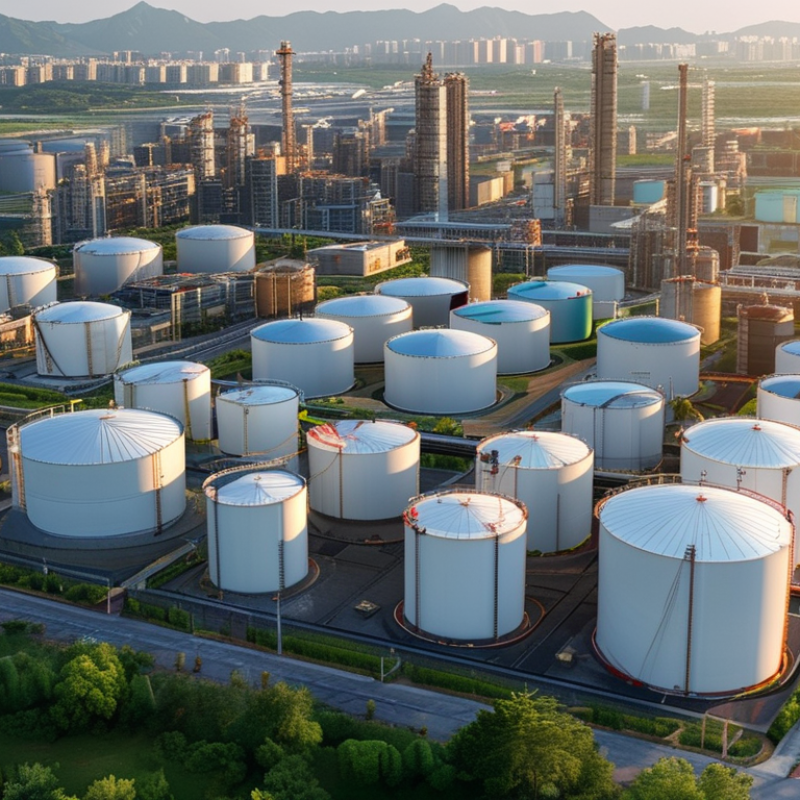
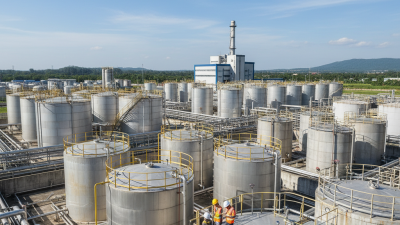
The safe and efficient use of Chemical Storage Tanks is critical for various industries. These tanks play a vital role in managing hazardous substances. Their proper selection and maintenance can prevent potential accidents and environmental damage.
Choosing the right Chemical Storage Tank involves understanding the specific needs of your operation. Factors such as material compatibility, tank size, and location are essential. Industry experts emphasize the importance of using high-quality tanks designed for safety.
Implementing efficient storage solutions requires ongoing assessment. Companies should regularly review their storage practices to adapt to new regulations and technologies. This commitment to safety can lead to significant improvements in overall operational efficiency. The journey toward optimal chemical storage is continuous, deserving thoughtful consideration and innovation.
Best Practices for Choosing Chemical Storage Tanks
Choosing the right chemical storage tank is crucial for safety and efficiency. Firstly, consider the material of the tank. Various chemicals require specific materials to prevent reactions. For instance, corrosive substances should be stored in tanks made from resistant materials. This helps to ensure the integrity of the container and protects against leaks.
Assessing the size of the tank is equally important. A tank too large may lead to wasted space, while one too small could lead to overflow. It's essential to calculate the required volume accurately. Additionally, ensure proper venting systems are in place to manage gas emissions safely. Failure to do so can result in dangerous pressure build-up.
Regular inspections are often overlooked but are vital for ongoing safety. Tanks can develop weaknesses over time. Conducting routine checks helps identify potential issues early. Ensure that the storage area remains clean and organized. Clutter can lead to accidents and makes it challenging to monitor the tanks effectively.
Top Chemical Storage Tank Solutions for Safe and Efficient Use
| Tank Material |
Capacity (Gallons) |
Max Pressure (psi) |
Temperature Range (°F) |
Typical Use |
| Polyethylene |
500 |
5 |
-40 to 120 |
Acids, Bases |
| Fiberglass Reinforced Plastic |
1000 |
15 |
-20 to 140 |
Chemicals, Solvents |
| Stainless Steel |
2500 |
30 |
-50 to 450 |
Food, Pharmaceuticals |
| Carbon Steel |
3000 |
60 |
-20 to 300 |
Oil, Gas |
| Polypropylene |
750 |
10 |
-30 to 180 |
Detergents, Fertilizers |
Types of Chemical Storage Tanks and Their Applications
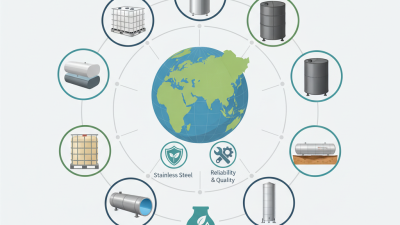
Chemical storage tanks play a crucial role in many industries. They come in various types, each suited for different chemicals and applications. The right tank can enhance safety and efficiency. Common tank types include vertical storage tanks, which save space. Horizontal tanks, on the other hand, allow for easy transport and loading.
When selecting a chemical storage tank, consider the chemical’s properties. For instance, corrosive substances require tanks made of resistant materials like HDPE or fiberglass. According to a report by the Chemical Engineering Research and Design Journal, nearly 30% of chemical spills are attributed to improper tank selection. This emphasizes the importance of choosing the right type.
**Tip:** Always assess the chemical compatibility with tank materials.
Additionally, larger industries may benefit from double-walled tanks. These provide an extra layer of protection against leaks. However, ensuring regular inspections and maintenance is vital. The National Fire Protection Association (NFPA) suggests conducting these checks at least quarterly to mitigate risks.
**Tip:** Implement a strict maintenance schedule and follow best practices.
In the process of selecting and maintaining tanks, reflect on past incidents to inform better decisions. Learning from industry reports and peer experiences can lead to improved safety protocols and operational efficiency.
Top Chemical Storage Tank Solutions for Safe and Efficient Use
This bar chart represents the percentage distribution of various types of chemical storage tanks and their applications. Polyethylene tanks are the most commonly used, followed by steel and fiberglass tanks, reflecting their suitability for different chemical storage needs.
Regulatory Standards for Chemical Storage Tank Safety
Chemical storage tanks play a critical role in ensuring safety and efficiency in handling hazardous materials. Adhering to regulatory standards is essential for the protection of workers and the environment. Agencies like OSHA and EPA set guidelines for the design, maintenance, and operation of these tanks. Compliance with these standards not only helps prevent accidents but also builds trust in the facility's operations.
Tips: Regularly train staff on safety protocols. Knowledge gaps can lead to serious risks. Implement a checklist for inspection that includes leak detection and structural integrity.
Staying updated with changing regulations is crucial. Laws can evolve based on environmental and technological advancements. Facilities must adapt promptly, as neglecting updates can lead to fines or accidents. Balancing compliance with operational efficiency can be challenging, but it's a necessary investment.
Tips: Foster a culture of safety that encourages reporting concerns without fear. Encourage proactive maintenance to identify potential issues before they escalate.
Maintenance and Inspection Protocols for Storage Tanks
Maintaining and inspecting chemical storage tanks is crucial for safety. Regular checks prevent leaks and accidents.
Staff should be trained to identify risks effectively. Consistent inspection schedules create a safer environment for all.
Regular maintenance should include checking for corrosion and
structural integrity. Operators must document any irregularities.
These records help track the tank's condition over time. Scheduled maintenance minimizes unexpected failures,
which can lead to costly cleanups.
Tips: Always use protective gear during inspections. Engage in team discussions about findings.
Foster a culture of safety within the workplace. Understanding each tank’s specific needs enhances overall reliability.
Recognize that not every inspection will go perfectly; reflect on the lessons learned to improve processes.
Innovative Technologies in Chemical Storage Solutions
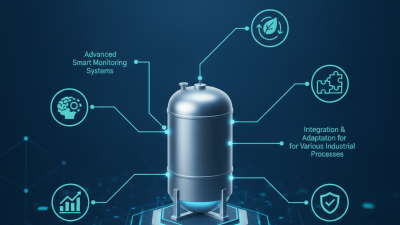
Innovative technologies are transforming chemical storage solutions. Advanced materials, like composite plastics and steel alloys, enhance tank durability. These materials resist corrosion and prevent leaks. Smart sensors are gaining popularity too. They monitor temperature and pressure in real-time, ensuring safe operations.
Consider implementing regular maintenance checks. This practice minimizes risks associated with wear and tear. Investing in innovative containment systems can save costs long-term. These systems reduce product loss and environmental impact. However, the technology must be easy to operate. Complexity can lead to mistakes or misuse.
Training staff on new technologies is essential. Ensure they understand the equipment and protocols. Frequent training sessions build a culture of safety. Evaluate how new strategies impact your operations. Regularly reflect on their effectiveness. Embracing innovation while being cautious is vital for a safe work environment.