
In the realm of analytical chemistry, the importance of a well-optimized chromatography column cannot be overstated. Chromatography columns play a crucial role in the separation of complex mixtures. Effective separation is vital for accurate analysis and interpretation of results. Many users, however, may overlook best practices that can enhance performance.
Understanding how to utilize chromatography columns effectively requires both experience and technical expertise. Proper column maintenance and selection are key factors that directly influence the reliability of your results. Factors like mobile phase composition, temperature control, and flow rates significantly affect separation efficiency.
Despite being equipped with advanced tools, researchers often face challenges in achieving optimal results. Miscalculating the mobile phase ratios or neglecting system cleanliness can lead to inconsistent outcomes. Reflecting on these common pitfalls can help improve future separations. By adhering to best practices, users can maximize their chromatography column’s effectiveness and achieve reliable, reproducible results.

Selecting the right chromatography column is crucial for effective separation. It involves various considerations, particularly the nature of the sample and the type of separation required. Start by evaluating the sample composition. If it includes polar compounds, a polar stationary phase may enhance interactions. Similarly, non-polar compounds might benefit from a reverse-phase column. Understanding these basics can greatly impact the results.
Column dimensions also matter. A longer column often provides better resolution but may increase analysis time. It's essential to balance resolution with efficiency. Shorter columns are faster but may compromise separation. In addition, the particle size of the stationary phase can influence separation quality. Smaller particles generally yield better separations but can lead to increased pressure.
Finally, don't overlook the pH and temperature of the mobile phase. These parameters can significantly affect the interaction between the sample and the column. Adjusting these settings may enhance separation but could also lead to less reproducible results. It's important to experiment and tweak conditions to achieve optimum performance while being aware of potential pitfalls.
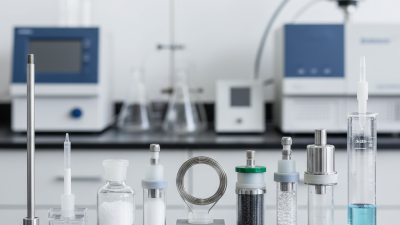
The quality of chromatography column packing significantly influences separation efficiency. Proper packing ensures that the stationary phase maintains consistent interaction with analytes. According to the Journal of Chromatography A, poorly packed columns can lead to increased band broadening, resulting in lower resolution. This can severely impact both qualitative and quantitative analyses.
Investing in column packing quality is essential. Regular inspection and validation are necessary to maintain optimal packing. A well-packed column has uniform particle size and shape, which enhances mass transfer. Data from a recent study highlight that columns with optimal packing can achieve over 95% efficiency in separation, while poorly packed columns might drop to below 70%.
**Tip:** Regularly calibrate equipment to ensure accurate packing.
Inadequate or uneven packing can often go unnoticed until analysis results fail to meet standards. This situation requires reflection on packing methods and materials used. Implementing standards for packing can bridge performance gaps.
**Tip:** Document and analyze variations in separation efficiency to identify potential packing issues.
Attention to column packing is not just about efficiency; it’s about reliability in results. By prioritizing packing quality, laboratories can enhance their overall analytical capabilities and produce trusted data.
| Best Practice | Description | Impact on Separation |
|---|---|---|
| Optimal Column Packing | Ensure uniform and appropriate packing of the stationary phase. | Increases efficiency, reduces band broadening. |
| Routine Maintenance | Regularly check and service columns to prevent performance degradation. | Maintains resolution and longevity of the column. |
| Proper Solvent Choice | Use solvents compatible with both the stationary phase and analytes. | Enhances separation and minimizes peak tailing. |
| Temperature Control | Maintain consistent temperature during the separation process. | Improves reproducibility and separation efficiency. |
| Column Orientation | Use the column in the vertical position for optimal flow dynamics. | Reduces risk of channeling and improves flow uniformity. |
| Use of Guard Columns | Install guard columns to protect analytical columns from contaminants. | Extends column life and maintains performance. |
| Sample Preparation Techniques | Optimize sample preparation to minimize sample matrix effects. | Enhances peak shape and separation quality. |
| Monitor Pressure and Flow Rates | Regularly check system pressure and maintain ideal flow rates. | Ensures optimal column performance and separation efficiency. |
| Data Analysis and Validation | Apply proper data analysis techniques to validate results. | Improves confidence in separation results and reproducibility. |
Optimizing the mobile phase composition is critical for achieving enhanced resolution in chromatography separations. A well-balanced mobile phase can significantly improve the efficiency of your chromatographic analysis. Factors such as pH, ionic strength, and solvent ratio must be taken into account. Even slight adjustments can lead to notable differences in separation outcomes.
Choosing the right solvents is essential. Polar and non-polar solvents can affect the retention time of different compounds. Experimenting with various solvent mixtures can reveal the optimal composition for your specific sample types. It’s often beneficial to start with common mixtures and make minor adjustments based on the chromatographic results. Do not overlook the importance of temperature. It can influence the viscosity and density of the mobile phase, impacting the overall separation.
While optimizing the mobile phase, reflection is necessary. Results may not always align with expectations, and that's okay. Documenting deviations in retention times and peak shapes is vital. This practice aids in identifying patterns and refining methods. Embrace the trial-and-error process. A method that worked in one instance might not work in another. Keep learning from each run to hone your skills in chromatographic separation.
Temperature control is a critical aspect of chromatography that can significantly affect column performance. Proper temperature regulation enhances the separation efficiency of analytes.
Increased temperatures often lead to decreased viscosity in mobile phases, improving mass transfer rates. However, too much heat can degrade certain compounds.
One common practice is to use water baths or temperature-controlled ovens. These methods provide consistent temperature conditions. Maintaining a stable temperature helps to minimize variations in retention times. It also reduces peak broadening, leading to sharper, more defined peaks. Fluctuations in temperature can distort results and may require further adjustments.
Consider that not all columns respond the same way to temperature changes. Some may benefit from increased temperatures, while others may become unstable. Regular calibration of monitoring tools is essential. It can prevent unintended temperature spikes. Experimentation with temperature gradients can also lead to improvements. Yet, this practice requires careful observation to avoid compromising separation quality.
Regular maintenance of chromatography columns is critical for achieving consistent separation. Columns are often the most expensive components in analytical instrumentation. Industry reports indicate that improper maintenance can lead to a decrease in performance by over 30%. Factors like pressure fluctuations, temperature changes, and solvent impurities can significantly impact column life. Regular inspection and cleaning can prevent these issues.
One tip is to routinely monitor back pressure. A sudden increase can indicate column blockage or degradation. Cleaning protocols should be established based on the type of samples processed. Avoid harsh solvents that alter the stationary phase’s integrity. Additionally, properly storing columns when not in use, such as flushing them with the appropriate solvents, can extend their lifespan.
Another essential aspect is troubleshooting. If separation issues arise, it’s vital to consider both the method and the column condition. A simple change in pH or mobile phase composition might cause unexpected results. Regular documentation of performance can highlight trends, aiding in predictive maintenance. Always be prepared to reassess methods if discrepancies in results become apparent.