2026 How to Ensure Safety and Compliance with ASME Pressure Vessels?
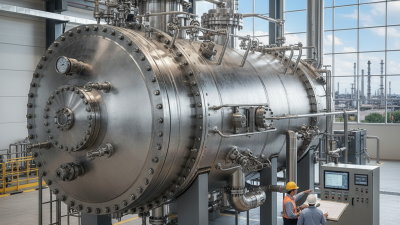
In the world of manufacturing and industrial operations, safety is paramount. ASME pressure vessels play a critical role in ensuring safe containment of gases and liquids. According to a recent report by the American Society of Mechanical Engineers (ASME), there are nearly 30,000 ASME-certified pressure vessels in operation across the U.S. alone. Ensuring these vessels meet safety standards is not only a regulatory requirement but also a moral obligation to protect workers and the environment.
Industry expert Dr. Robert K. Lang, a leading authority on pressure vessel design, emphasizes, "Compliance with ASME standards is essential to prevent catastrophic failures." His insights highlight the importance of regular inspections and stringent adherence to design specifications. Yet, many organizations struggle to maintain compliance due to lack of resources or expertise.
For instance, a case study from 2022 revealed that 15% of pressure vessel incidents resulted from improper maintenance. This statistic underlines the need for continuous training and facility upgrades. Companies must grasp the significance of implementing robust safety protocols to avoid potential hazards. Engaging with experts, conducting regular audits, and investing in staff training can significantly improve safety outcomes for ASME pressure vessels.
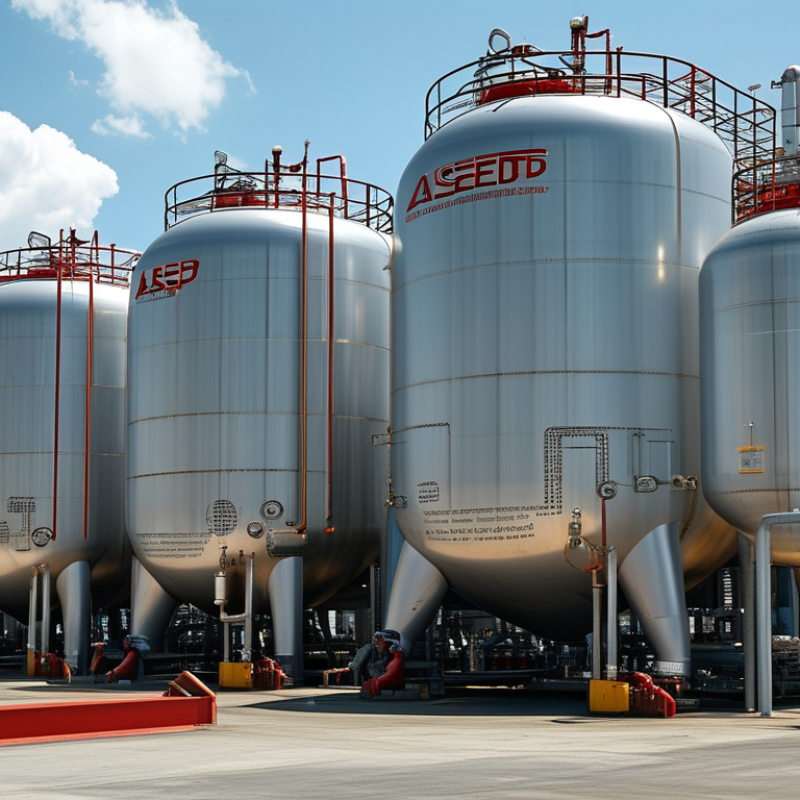
Understanding ASME Pressure Vessel Standards and Regulations
Understanding ASME pressure vessel standards and regulations is crucial for maintaining safety. The American Society of Mechanical Engineers (ASME) outlines regulations that ensure vessels can withstand high pressures. According to a study by the National Board of Boiler and Pressure Vessel Inspectors, failures due to non-compliance can lead to catastrophic incidents, highlighting the need for stringent adherence.
The ASME Boiler and Pressure Vessel Code (BPVC) sets comprehensive guidelines. It covers material specifications, design requirements, and inspection protocols. Visual inspections, pressure tests, and periodic assessments are vital. Many organizations still overlook these practices, which can lead to increased risks and costly repairs. It is alarming that approximately 10% of vessels inspected are non-compliant, as reported in industry analyses.
In recent years, the adoption of advanced technologies has improved compliance. Non-destructive testing methods and digital inspection tools offer better insights into vessel integrity. Yet, some manufacturers resist these innovations. They cling to outdated inspection methods which compromises safety. Encouraging a culture of compliance and education is a challenge but essential for progress.
Key Components of ASME Pressure Vessel Design for Safety Compliance
Designing ASME pressure vessels involves critical components that ensure safety and compliance. One key element is the material selection. It is essential to use materials that can withstand high pressure and temperature. Common choices include carbon steel and stainless steel. Each material has specific properties that affect its performance. Engineers need to consider the environment the vessel will be operating in. Corrosion resistance is a significant concern.
Another important aspect is the vessel's design and fabrication. The design must adhere to ASME code specifications. This includes factors like thickness calculations and weld quality. A robust design minimizes the chances of failure. Regular inspections during fabrication can catch issues early. These procedures are not just recommendations; they are essential for safety.
Finally, testing and documentation play a crucial role in compliance. Every pressure vessel must undergo rigorous testing. This often includes hydrostatic and pneumatic tests. Proper documentation shows that the vessel meets the required standards. It is not just about following rules; it is about ensuring every vessel is reliable and safe for use. This requires ongoing diligence and a commitment to quality.
Importance of Regular Inspections and Maintenance for Pressure Vessels
Pressure vessels play a crucial role in various industries. They must be regularly inspected and maintained to ensure safety and compliance with ASME standards. Routine checks help identify potential issues before they escalate. This proactive approach can save time, money, and prevent disasters.
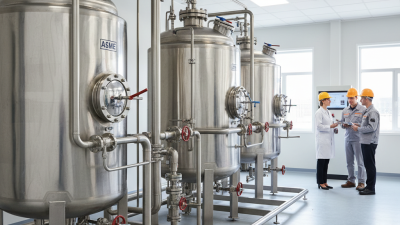
Regular inspections should include visual checks for signs of corrosion or wear. Technicians need to verify all connections and welds. Any abnormalities should be documented and addressed promptly. Training personnel on the importance of these checks can create a culture of safety.
Tip: Schedule inspections based on usage frequency. More active vessels require more frequent checks. It’s essential to keep logs of all maintenance activities.
Maintenance is equally vital. Without it, minor issues can turn severe. Lubrication systems should be functional to avoid internal damage. Regular cleaning reduces the risk of contamination.
Tip: Develop a maintenance checklist tailored to each vessel. This approach ensures no step is overlooked. Regular updates to this checklist can enhance reliability and safety.
Best Practices for Documentation and Record-Keeping in Compliance
Ensuring safety and compliance with ASME pressure vessels requires meticulous documentation and record-keeping. Industry reports indicate that improper documentation contributes to 30% of non-compliance issues. Accurate records help organizations provide evidence of compliance during audits. This includes maintenance logs, inspection reports, and material certifications. Each document should be easily accessible and organized systematically.
A significant part of compliance is tracking modifications and repairs. Incomplete records have been linked to safety incidents. For instance, a study found that 45% of pressure vessel failures could be traced back to inadequate documentation practices. Companies should implement a centralized system to log changes and updates. This practice ensures that every item is accounted for and reduces risks associated with human error.
Training staff on documentation best practices can greatly enhance data accuracy. Regular audits of records are essential, but many firms overlook this process. Firms often find discrepancies that require immediate attention. Engaging employees in this process fosters a culture of accountability. Thorough record-keeping is not merely a regulatory requirement; it’s critical for maintaining safety standards and protecting your operations.
Training and Certification Requirements for Personnel Handling Pressure Vessels
When working with ASME pressure vessels, training and certification of personnel are crucial.
The American Society of Mechanical Engineers (ASME) mandates specific qualifications to ensure safety and compliance in operations. A recent industry report indicates that 62% of accidents involving pressure vessels stem from human error. This statistic underscores the importance of proper training.
Hands-on training programs are essential. Personnel must understand the pressures and temperatures involved with pressure vessels. Certification programs often include modules on hazard recognition, emergency protocols, and maintenance procedures. Inadequate training can lead to serious safety risks. Experts advise regular updates to training to accommodate new technologies and regulations.
Tips:
Encourage regular safety drills. Ensure emergency equipment is accessible. Implement peer reviews of procedures to identify potential flaws. Continuous education fosters a safety culture. Employees should feel empowered to voice concerns. Long-term commitment to training can significantly reduce incidents. Investing in personnel training is not just a regulatory requirement; it's a vital component of a safe work environment.