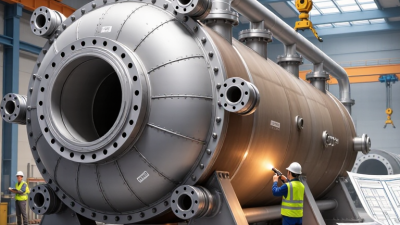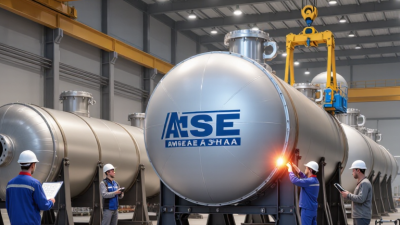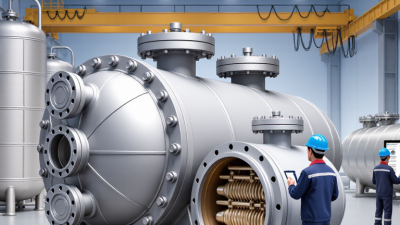
Choosing among China’s leading reactor manufacturers takes more than comparing prices or factory photographs. A reliable assessment should look at engineering capability, documented quality controls, materials traceability, and experience with comparable process conditions. For an Asme Reactor, buyers should also confirm that the supplier’s current ASME certification covers the relevant scope and manufacturing location. Certificates can change. Verify them directly.
This overview introduces manufacturers often considered for pressure-vessel and reactor projects, while emphasizing evidence over sweeping claims. Useful details include design support, welding procedures, inspection records, delivery performance, and the ability to accommodate operating temperature, pressure, and corrosion requirements. Ask how nonconformities are recorded and resolved. Details matter. A polished brochure cannot answer every technical question, and a large production facility does not guarantee a suitable project fit. That is not enough. Compare verified references, request applicable documentation, and involve qualified engineers when reviewing specifications. The strongest choice depends on the application, not simply a ranking. Some information may be difficult to compare across suppliers, so readers should treat broad claims cautiously and confirm key facts before making a purchasing decision.
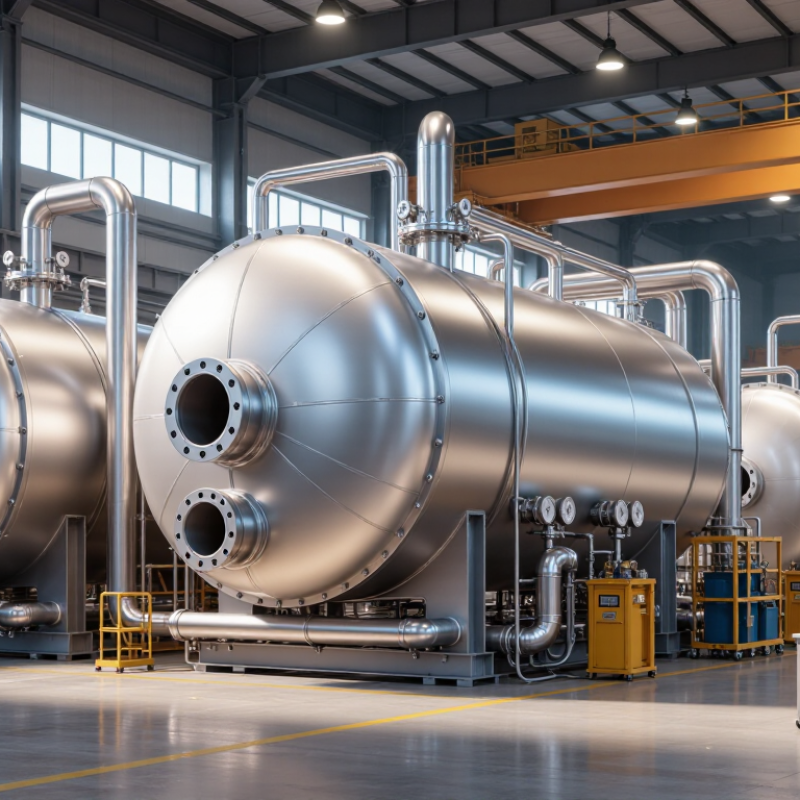
For reactor manufacturers in China, ASME certification signals a defined quality system, not universal approval of a reactor design. Under the ASME Boiler and Pressure Vessel Code, Section III covers nuclear facility components. Certification applies only to an organization’s authorized scope and requires documented controls, inspections, and independent audits. Material heat numbers, weld procedures, and examination records must remain traceable. Paperwork matters.
The distinction matters in a growing energy sector. The International Energy Agency’s 2022 report, Nuclear Power and Secure Energy Transitions, describes nuclear power as supplying about 10% of global electricity and ranking second among low-emissions sources. Buyers still need to check whether a supplier’s certificate matches the component, code edition, and project requirements. A certificate alone does not establish that every design is accepted by a project authority, or that every component will perform as intended.
A weld can look neat. Its records matter too.
In practice, comparing those records with the actual scope of certification can be tedious, and that detail is easy to overlook.
How to Evaluate China’s ASME Reactor Manufacturers
China’s manufacturing scale is substantial. World Bank national accounts data show that China generated roughly 27% of global manufacturing value added in 2023. This signals industrial capacity, not vessel quality. Treat it as context, not proof. For reactor procurement, verify the exact ASME certificate scope and confirm its current status in ASME’s certificate-holder directory.
Review the design calculations, material certificates, heat-number traceability, weld maps, and non-destructive examination records. Ask how each record links to the vessel’s serial number. Check that the proposed materials, design conditions, and inspection plan match the applicable ASME Boiler and Pressure Vessel Code edition. ASME publishes the code on a two-year cycle, so edition alignment matters. Request evidence of hydrostatic testing and independent inspection. A factory tour alone is weak evidence. Paperwork can look complete while a traceability gap remains.
Tips: Use a sample data book from a comparable reactor. Ask the manufacturer to trace one plate from its mill certificate to the finished weld. Note any missing link, and ask for a written corrective action.
Leading ASME reactor manufacturers in China should be judged by documented engineering controls, not catalogue claims. China’s Petroleum and Chemical Industry Federation reported operating revenue of 15.95 trillion yuan for the petroleum and chemical sector in 2023. That figure signals a large industrial base, but it is not reactor-market data. Buyers should compare manufacturers against the specific duty, pressure, temperature, and process media required.
Check whether the workshop holds a valid ASME Certificate of Authorization for the relevant construction code. Then inspect material traceability, qualified welding procedures, non-destructive examination records, and pressure-test documentation. For a jacketed reactor, ask how the manufacturer controls weld quality around the shell and jacket. Details matter. ASME BPVC Section VIII requirements can help frame the review, but a stamp alone does not prove a vessel suits a particular process. Request drawings, design calculations, corrosion allowances, and inspection records before comparing quotations. I would also ask how deviations are recorded and approved; that step is easy to overlook. Published capacity figures can sound impressive, yet they say little about schedule reliability or after-sales support. A factory visit, where practical, can reveal whether quality records match the equipment on the floor.
China’s top ASME reactor manufacturers should be compared by verified capabilities, not only by brochure specifications. Buyers can check current certification scope and whether it covers the vessel type and work required. Strong shops typically manage engineering, pressure-boundary welding, heat treatment, nondestructive examination, and pressure testing. They should also provide traceable material records and clear inspection documentation. Ask how they control nozzle alignment and weld quality on the actual vessel. Small details count. Capacity differs between manufacturers, and a certificate alone does not prove experience with every reactor design.
These capabilities serve chemical processing, petrochemicals, pharmaceuticals, energy, and environmental treatment. Each sector brings different demands: corrosive media may require careful material selection, while viscous batches can make agitation and heat transfer harder to manage. A practical supplier discusses operating pressure, temperature, batch size, cleaning needs, and inspection access before proposing a configuration. In practice, the most suitable manufacturer is not always the largest. I would still verify comparable project records and clarify who handles testing and documentation. Some specifications look complete on paper but leave important operating details unresolved.
A practical capability checklist for manufacturers serving chemical processing, refining, conventional power, and—where applicable—nuclear industries.
Each bar indicates that the code section contains requirements relevant to some reactor-manufacturing work; it does not indicate certification held by any particular manufacturer. ASME code scopes are not a manufacturer ranking.
Comparing Chinese ASME reactor manufacturers starts with the actual duty, not a ranking. Define design pressure, temperature, corrosion allowance, batch cycle, and required materials before requesting quotations. Then check whether each manufacturer’s current ASME authorization covers the vessel type and fabrication scope.
Ask for a sample document package: material certificates, weld maps, nondestructive examination records, and hydrostatic test procedures. These details show how traceable the work is. A certificate alone does not prove that a specific project will be well managed.
The IEA’s 2018 report, The Future of Petrochemicals, projected that petrochemicals would drive more than one-third of oil-demand growth to 2030, and nearly half by 2050.
That projection highlights why buyers should assess process fit and long-term operating conditions, not just purchase price. Compare heat-transfer area, nozzle layout, mixing requirements, inspection access, delivery assumptions, and spare-parts support line by line. Request references for similar service, while checking what evidence can actually be shared. A polished brochure is not enough. One easy mistake is to treat a lower quotation as a like-for-like offer; exclusions for testing, documentation, or surface treatment can change the real cost.