2026 Best Alcohol Recovery Tower for Global Buyers?
Choosing the 2026 Best Alcohol Recovery Tower requires more than comparing catalog capacity or stainless-steel grades. Buyers should examine recovery efficiency, energy demand, maintenance access, automation, and verified operating results.
The U.S. Department of Energy reports that distillation can consume 40–60% of energy in many chemical processes. That figure makes heat integration a serious purchasing issue. A well-designed Alcohol Recovery Tower may reduce solvent and alcohol losses, but performance depends on feed composition, pressure, reflux ratio, and operator control. Small details matter. Think cleanable trays, insulated piping, stable condensers, and visible temperature readings.
Henry Z. Kister, author of Distillation Design, stated, “Distillation is the most widely used separation process in the chemical industry.” His observation remains highly relevant for global equipment buyers. Yet, it does not mean every tower is suitable for every facility. The International Energy Agency continues to emphasize industrial efficiency, while the World Health Organization’s Global Status Report on Alcohol and Health and Treatment of Substance Use Disorders highlights the wider importance of responsible alcohol management. These reports do not rank recovery towers, but they reinforce the need for controlled, traceable systems.
This guide compares tower configurations, materials, energy strategies, and supplier evidence for 2026 purchasing decisions. Vendor claims need verification. Laboratory data can disappoint at plant scale. Buyers should request mass-balance records, utility consumption, corrosion references, and independent acceptance testing. A perfect choice is unlikely. A defensible choice is achievable.
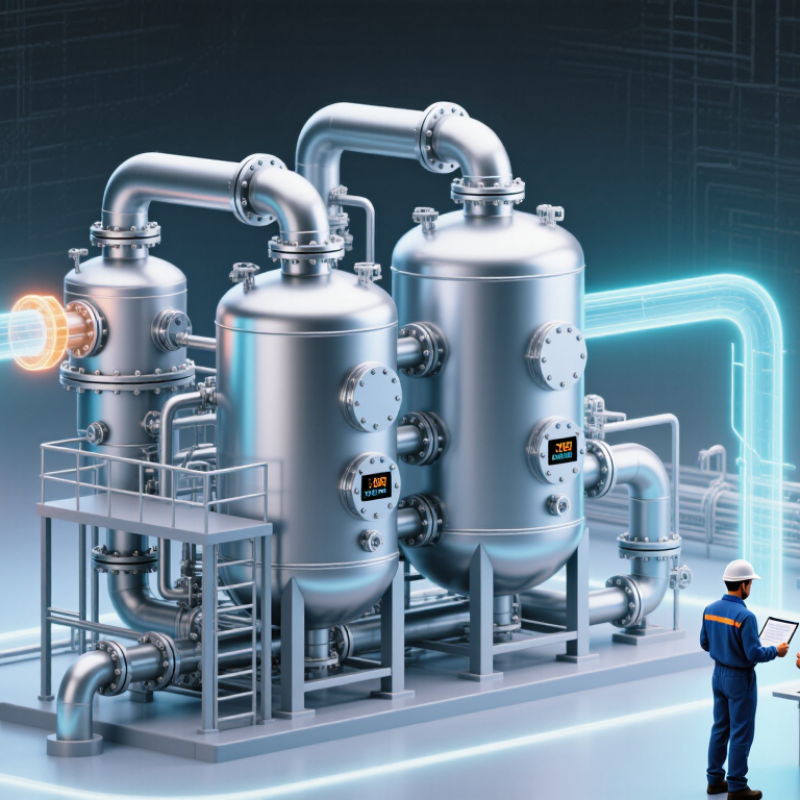
What Is an Alcohol Recovery Tower?
2026 Best Alcohol Recovery Tower for Global Buyers?
What Is an Alcohol Recovery Tower?
An alcohol recovery tower is a distillation column that separates alcohol from water, residues, or process mixtures. Heated liquid rises through trays or structured packing. Vapor moves upward, while condensed liquid flows downward. This repeated contact improves separation efficiency.
The recovered alcohol exits near the top. Heavier impurities usually leave through the bottom. In practical operation, feed composition, boiling-point differences, pressure, and reflux control determine performance. A clean feed may need fewer stages. A variable feed can demand careful adjustment. That detail is often underestimated.
The International Energy Agency reports that industry consumes about 37% of global final energy. Distillation is among the energy-intensive separation methods used in processing facilities. A technical review in Nature estimated that industrial separations consume roughly 10–15% of global energy use. Therefore, tower selection should examine heat integration, insulation, vapor recompression, and condenser loading—not only recovery percentage.
For global buyers, useful specifications include recovery rate, purity range, operating pressure, throughput, material grade, and cleanability. A 95% recovery claim means little without feed conditions and measurement methods. In my experience, a smaller tower with stable controls can outperform a larger tower operated poorly. Energy data should be checked through a trial run, because laboratory results rarely match production behavior exactly.
How Does an Alcohol Recovery Tower Work?
2026 Best Alcohol Recovery Tower for Global Buyers?
How Does an Alcohol Recovery Tower Work?
An alcohol recovery tower separates alcohol from water and other process liquids through controlled distillation. The heated feed enters near the tower’s middle section. A reboiler creates rising vapor. Trays or structured packing increase contact between vapor and descending liquid. Alcohol-rich vapor moves upward, while heavier liquid flows downward. A condenser then converts the vapor into recovered liquid. Part of that liquid returns as reflux, improving separation.
The U.S. Department of Energy reports that process heating uses about 51% of manufacturing energy consumption. The IEA’s Energy Efficiency 2023 report also identifies industry as using roughly 37% of global final energy. These figures explain why tower design matters beyond recovery yield. Lower-pressure operation can reduce boiling temperature and heating demand. Better insulation limits heat loss around the shell, valves, and piping. Small leaks still matter.
Field commissioning often reveals a less obvious problem. Feed composition changes during the day. A tower tuned for clean, steady liquid may struggle with water surges or solids. Operators should check feed analysis, reflux ratio, vapor temperature, pressure stability, and recovered-liquid purity. Recovery performance is never guaranteed by height alone. For global buyers, the reboiler, condenser, controls, materials, and local safety requirements deserve equal attention. A cheaper tower can become expensive when cleaning is frequent. That assumption needs testing.
Which Specifications Matter for Global Buyers?
For global buyers, a 2026 alcohol recovery tower should be judged by specifications, not appearance. The IEA’s Energy Technology Perspectives 2023 reports that industry used about 37% of global final energy in 2022. Therefore, thermal efficiency matters. Ask for measured recovery rates, steam consumption, heat-transfer area, and expected throughput under real operating conditions.
Material selection is equally important. Stainless steel construction can improve corrosion resistance and cleaning reliability. Pressure and vacuum ratings must match the process, not only the product brochure. Buyers should request compliance evidence for the EU Pressure Equipment Directive, applicable ASME requirements, and IEC 60079-based hazardous-area protection where required. Control systems should record temperature, pressure, flow, and alarm history. Local voltage, language, spare parts, and technician response times also deserve attention. These details are less exciting, but they often decide whether equipment runs smoothly.
Tips:
Compare test data using the same feed concentration and operating pressure. Request a factory acceptance test with documented results. Check whether the quoted capacity includes stable continuous operation. A claimed recovery rate may look impressive, yet cleaning losses and startup time can reduce actual output. I have found that buyers sometimes focus too heavily on maximum capacity. That can be a mistake. A smaller tower with stable controls may deliver better annual performance. Ask for energy data per recovered kilogram, not only total power figures. Even this metric needs careful review, because feed quality changes daily.
How to Compare Safety, Efficiency, and Operating Costs?
A 2026 alcohol recovery tower should be judged by safety, efficiency, and total operating cost—not purchase price alone. The U.S. Department of Energy’s Industrial Decarbonization Roadmap reports that separations may consume 10–15% of global energy use. Distillation remains a major part of that burden.
Safety comes first. Check pressure relief design, grounding, vapor detection, emergency shutdowns, and material compatibility. A well-designed tower should also include clear inspection access and documented operating limits. NFPA 30 and applicable local standards provide useful reference points, but regional compliance still requires professional review. Small gaps matter.
Efficiency depends on more than recovery percentage. Compare steam consumption per recovered kilogram, cooling-water demand, electrical load, and expected solvent loss. Vacuum operation may lower boiling temperatures, but it can increase maintenance and leakage risks. Heat integration can reduce utility demand, especially when condenser heat supports feed preheating. The International Energy Agency’s Energy Efficiency 2023 report emphasizes that industrial efficiency improvements remain central to reducing energy costs and emissions.
Ask suppliers for test data using a feed similar to yours. Laboratory results can look excellent. Real production conditions are less tidy. Fouling, unstable feed composition, and operator training often change performance. Build a five-year model covering utilities, inspections, downtime, spare parts, and disposal costs. The cheapest tower may become expensive after one difficult shutdown.
2026 Best Alcohol Recovery Tower for Global Buyers
This benchmark compares common alcohol recovery tower configurations using practical engineering indicators. Higher safety and recovery scores are preferable, while a lower operating cost index indicates better cost efficiency. Vacuum systems generally improve recovery performance and reduce thermal exposure, but they typically require higher capital and maintenance spending.
What Certifications and Supplier Standards Should Buyers Check?
For a 2026 alcohol recovery tower, certification should match the destination, pressure rating, and vapor hazard. A familiar logo is not enough.
The IEA’s Energy Efficiency 2023 report states that industry consumes about 37% of global final energy. Buyers should therefore request tested heat-transfer data, verified energy figures, and operating assumptions. Check pressure-vessel compliance, such as PED 2014/68/EU in applicable European markets or ASME Section VIII construction elsewhere. For flammable vapor areas, request ATEX or IECEx documentation, zone classification, grounding records, and suitable electrical certificates. Certification must cover the actual equipment configuration, not a similar model.
Supplier controls reveal more than brochures. Look for ISO 9001 quality management, ISO 45001 safety systems, ISO 14001 environmental controls, and ISO 3834 welding quality where relevant. Demand material certificates, preferably EN 10204 3.1, weld maps, procedure qualifications, non-destructive testing reports, and factory acceptance test records. The ILO’s 2023 safety report estimated nearly three million annual deaths from work-related accidents and diseases. That figure makes traceability practical, not decorative.
Ask for a documented cleaning method. Inspect the tower internals, seals, condenser, valves, and flame-protection details. Confirm spare-part availability and technician response times. A supplier may provide impressive certificates but weak change-control records. That is a warning. I would also check whether calculations were independently reviewed; this step is often skipped, and sometimes regretfully.