Inquiry
Form loading...

What Is the Best Alcohol Recovery Tower in 2026?

Choosing the best Alcohol Recovery Tower in 2026 requires more than comparing advertised recovery rates. A strong choice must balance separation performance, energy use, safety, maintenance, and product consistency. The ideal tower for a small beverage facility may fail in a larger industrial plant. Capacity changes everything.

Henry Z. Kister, a respected distillation authority and author of Distillation Design, stated, “Distillation is the most widely used separation process in the chemical industry.” His observation remains highly relevant to alcohol recovery systems. A tower may use trays, structured packing, or random packing. Each design affects vapor flow, pressure drop, cleaning access, and operating stability.

Look closely at practical details. Can operators inspect the packing without dismantling half the system? Does the control panel show temperature changes quickly? Can the tower maintain stable performance during variable feed conditions? A recovery unit processing warm liquid with suspended solids may need different internals than one handling a clear, consistent stream.

Energy efficiency matters.

A lower steam demand can reduce operating costs, but efficiency figures often depend on ideal testing conditions. Real facilities experience fouling, fluctuating feed strength, imperfect insulation, and occasional operator error. These limitations deserve attention, not polished marketing language. The best Alcohol Recovery Tower is therefore not a universal model. It is a carefully matched system, supported by credible engineering data, documented maintenance procedures, and qualified technical service. Some comparisons remain incomplete. Field performance can still challenge laboratory expectations.
What Is the Best Alcohol Recovery Tower in 2026?

What Is an Alcohol Recovery Tower?

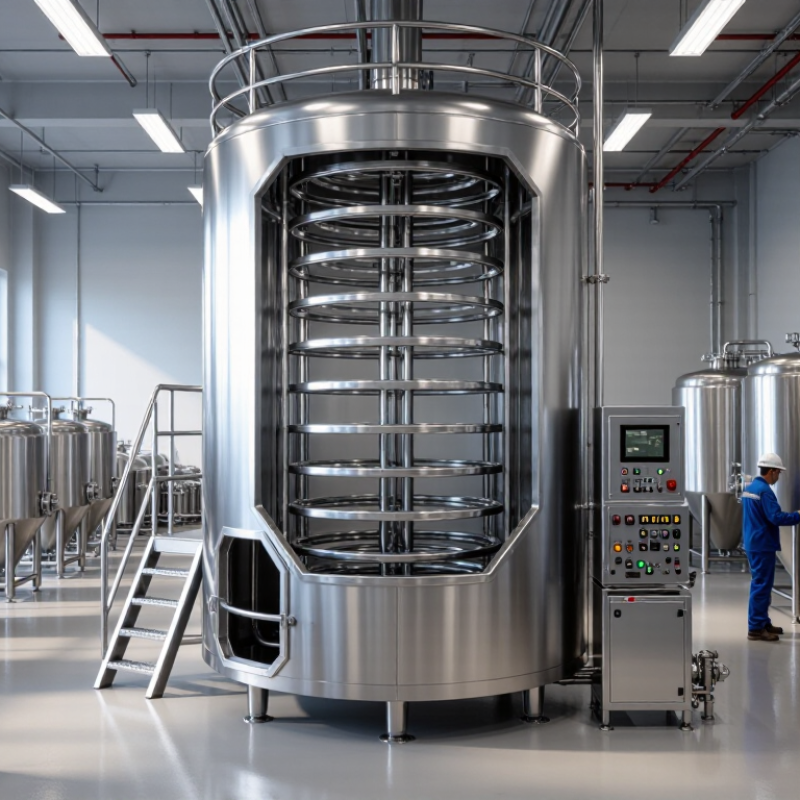
An alcohol recovery tower is a vertical distillation system that separates alcohol from water, solvents, or process residues. The feed enters near the middle of the tower. Heat from the reboiler creates vapor, while a condenser turns overhead vapor into liquid. Some liquid returns as reflux, improving separation. Trays or structured packing provide repeated contact between vapor and liquid.

That contact matters.

The recovered alcohol usually leaves from the top, while heavier water and residues leave below. Performance depends on purity, recovery rate, energy use, and stable operation.

The U.S. Department of Energy’s Industrial Decarbonization Roadmap reports that process heating represents about half of industrial energy consumption. Therefore, reboiler efficiency deserves serious attention. The International Energy Agency’s Energy Technology Perspectives 2024 also identifies industry as a major global energy user, making efficient separation increasingly important.

Choosing the best recovery tower in 2026 requires more than comparing capacity. Engineers should examine feed composition, boiling-point differences, corrosion risk, pressure control, cleaning access, and heat integration.

A packed tower may reduce pressure drop, while trays can offer easier inspection. Neither option wins every time.

In field evaluations, small temperature changes can shift purity and increase energy demand. I would not trust a quoted recovery percentage without feed data, operating conditions, and independent testing. A practical design includes sensors, sampling points, safe shutdown controls, and room for future process changes.
How Alcohol Recovery Towers Work

An alcohol recovery tower is a controlled distillation system, not simply a tall tank. Spent alcohol enters the feed section. A reboiler then adds measured heat. Alcohol vapor rises through trays or structured packing. Heavier water and residues move downward. At the top, a condenser turns vapor into liquid. Part of that liquid returns as reflux. The remaining portion becomes recovered alcohol. This repeated vapor-liquid contact improves separation. The separation happens continuously.

The U.S. Department of Energy’s Bandwidth Study for the U.S. Chemical Industry estimates that distillation consumes 40–60% of chemical-processing energy. Therefore, the best recovery tower in 2026 should balance purity, throughput, and heat demand. Vacuum operation can lower boiling temperatures. Heat integration can reuse condenser energy. The European Commission’s JRC process guidance also identifies heat recovery as an established efficiency measure. Still, a lower energy figure may hide slower production or higher maintenance costs. Heat costs money.

A reliable design needs closed transfer lines, grounding, pressure relief, and vapor monitoring. These controls support recognized flammable-liquid safety practices, including those described in NFPA 30. Operators should test feed composition before selecting trays, packing, or vacuum equipment. Recovery claims require measured samples, not brochure percentages. A pilot trial can reveal foaming, corrosion, and unstable reflux. Those problems are easy to underestimate. No tower suits every facility.

Key Specifications for Comparing Models in 2026

What Is the Best Alcohol Recovery Tower in 2026? The answer depends on measurable specifications, not appearance. Start with feed rate, alcohol concentration, and required recovery purity. A tower rated for 1,000 liters per hour may perform poorly with a thick, variable feed. Request performance data at your actual operating conditions.

Energy use deserves close attention. The U.S. Department of Energy’s Industrial Decarbonization Roadmap identifies process heating as roughly half of manufacturing energy use. Compare heat duty in kilowatt-hours per liter recovered. Check reboiler efficiency, condenser load, insulation quality, and heat-recovery options. The International Energy Agency reported that industry consumed about 37% of global final energy in 2022. Small efficiency gains can therefore become significant operating savings.

Look for construction materials, corrosion resistance, vacuum capability, pressure-drop data, and cleanability. The EU Joint Research Centre’s food, drink, and milk BAT reference document emphasizes hygienic design, efficient heating, and reduced water use. Ask for theoretical stages, tray or packing details, reflux range, and control response time. Safety instrumentation should include pressure relief, temperature alarms, grounding, and documented maintenance intervals. A perfect spreadsheet is not enough. I would still require a witnessed test using representative feed. Published capacity figures can be optimistic. That is where careful buyers often discover the real difference.

Top Alcohol Recovery Tower Types and Their Applications

What Is the Best Alcohol Recovery Tower in 2026?

Top Alcohol Recovery Tower Types and Their Applications

The best alcohol recovery tower depends on feed composition, purity targets, and available energy. A packed tower suits continuous recovery when the liquid contains moderate solids and stable flow. Its structured packing offers strong contact between vapor and liquid, while keeping pressure drop relatively low. Tray towers handle wider operating changes and can support feeds with heavier contamination. However, trays may require more maintenance and greater internal space.

Vacuum recovery towers work well with heat-sensitive alcohol mixtures. Lower pressure reduces boiling temperatures and can protect delicate process materials. In pharmaceutical, food, and laboratory production, this detail matters. Some facilities combine a packed section with a vacuum system for better energy control. Distillation alone cannot solve every problem. Foaming, corrosion, and poor feed preparation can still reduce recovery performance. I would not select a tower from purity figures alone. Actual testing matters.

Tips: Check the feed analysis before sizing equipment. Measure alcohol concentration, water content, solids, and heat sensitivity. Ask for pilot data using a similar mixture. Include reliable temperature, pressure, and flow monitoring. Keep the condenser and reboiler accessible for cleaning. Operators should record pressure changes and product quality each shift. Small deviations often appear before major efficiency losses. Safety relief devices and ventilation also deserve careful review. No tower is perfect.

How to Choose the Best Alcohol Recovery Tower for Your Needs

Choosing the best alcohol recovery tower in 2026 starts with your process, not a catalog ranking. Define feed volume, alcohol concentration, required purity, operating hours, and available utilities. A tower handling 500 kilograms per hour needs different internals from a small laboratory unit. Pilot testing matters. Small mistakes become expensive at full scale.

Energy deserves serious attention. U.S. Environmental Protection Agency energy-efficiency guidance reports that distillation can consume roughly 40–60% of energy in some chemical processing operations. The U.S. Department of Energy’s Industrial Decarbonization Roadmap also identifies separation processes as major efficiency opportunities. Compare reboiler duty, condenser demand, heat recovery, and vacuum performance. A packed tower may reduce pressure drop, while trays can offer easier inspection and stable operation. Neither option wins every application.

Safety and maintenance should shape the specification. Select compatible materials, grounded equipment, suitable pressure protection, and controls aligned with recognized engineering standards. Ask for measured performance data, not optimistic brochures. Review start-up behavior, cleaning access, spare-part availability, and operator training. My first energy estimate is often too generous. Real feed impurities, seasonal temperatures, and imperfect control can change results. The best tower is the one that meets purity targets reliably, with documented testing and manageable operating costs.

What Is the Best Alcohol Recovery Tower in 2026? - How to Choose the Best Alcohol Recovery Tower for Your Needs

Tower Configuration Typical Application Common Feed Range Typical Separation Performance Approximate Operating Pressure Main Advantages Key Limitations Best Choice When
Packed Recovery Tower General recovery of ethanol, isopropanol, and other volatile solvents from dilute process streams. Approximately 1–40% alcohol by mass, depending on the feed and design. Often suitable for producing a recovered stream in the 70–95% alcohol range; final purity depends on reflux, packing height, and feed composition. Near atmospheric pressure, commonly around 0.9–1.2 bar absolute. Low pressure drop, relatively simple construction, and good performance for heat-sensitive or moderately fouling feeds. Packing can be affected by solids, foaming, liquid maldistribution, and poor wetting at low liquid rates. The feed is reasonably clean and energy efficiency is more important than very high throughput.
Tray Recovery Tower Continuous recovery where stable vapor–liquid contact and predictable stage performance are required. Approximately 5–50% alcohol by mass, subject to tray design and feed conditions. Can achieve high recovery with multiple theoretical stages; practical purity is determined by reflux ratio and the number of active trays. Usually near atmospheric pressure; vacuum operation is also possible with suitable mechanical design. Handles higher liquid and vapor loads well and is easier to inspect internally than many packed designs. Higher pressure drop, greater tower height or diameter in some services, and possible weeping or flooding outside the design range. Throughput is high, the feed has manageable fouling potential, and operators need broad turndown capability.
Vacuum Recovery Tower Recovery of alcohols that may degrade, react, or require lower boiling temperatures. Commonly used for dilute to moderately concentrated streams, depending on the solvent system. Separation efficiency is comparable to atmospheric systems when the same effective stages and reflux conditions are provided. Typically about 0.2–0.8 bar absolute, based on the boiling-temperature requirement. Lower boiling temperatures, reduced thermal exposure, and potential savings when waste heat is available. Requires leak-tight equipment, vacuum controls, suitable condensers, and additional operating safeguards. Product quality or feed stability is sensitive to heat, or the process must operate below normal boiling temperatures.
Batch Distillation Tower Small or variable-volume campaigns where different alcohol-containing feeds are processed at different times. Suitable for variable feed volumes; batch charge size is commonly selected according to available vessel volume and heating capacity. Can provide high product recovery, but composition changes during the cycle and fractions may need to be collected separately. Atmospheric or vacuum operation, depending on the product and equipment design. Flexible, easy to adapt to changing recipes, and suitable when continuous operation is not justified. Longer cycle times, variable product composition, and higher labor or control requirements per batch. Production is intermittent, feed composition changes frequently, or several solvents must be recovered using one system.
High-Efficiency Structured-Packing Tower High-purity alcohol recovery where low pressure drop and a compact tower are important. Most appropriate for clean feeds with stable flow and limited suspended solids. Can provide a large number of theoretical stages per meter; actual performance depends on liquid distribution, loading, and packing selection. Atmospheric or vacuum service; low pressure drop is a major design benefit. Compact height, low pressure drop, and strong suitability for vacuum operation or energy-sensitive processes. More sensitive to fouling, poor liquid distribution, and installation quality than many conventional tray systems. The feed is clean, purity targets are demanding, and available installation height or pressure drop is limited.
Azeotropic or Extractive Distillation System Production of alcohol above the ordinary ethanol–water azeotropic limit or separation of difficult solvent mixtures. Concentrated alcohol streams near the azeotropic composition or feed mixtures with close-boiling components. Can exceed conventional distillation limits when an appropriate entrainer or solvent is selected and fully recovered. Often near atmospheric pressure, although pressure-swing and vacuum configurations are also used. Enables very high purity when ordinary rectification cannot meet the specification. More complex flowsheet, higher capital and control requirements, and additional solvent-management or safety considerations. The required alcohol purity is above the practical limit of simple alcohol–water distillation.

Note: Performance ranges are typical engineering guidance rather than guaranteed results. Final tower selection should be based on feed composition, required product purity, flow rate, heat sensitivity, fouling tendency, applicable pressure-vessel codes, and a detailed mass-and-energy balance.