Inquiry
Form loading...

What Is Chemical Equipment and How Does It Work?

Chemical Equipment forms the working backbone of modern chemical processing. It includes reactors, heat exchangers, pumps, storage tanks, filters, distillation columns, and control systems. These machines help transform, separate, heat, cool, mix, and safely contain materials. Their work may seem hidden, yet every temperature reading and pressure change affects the final product.

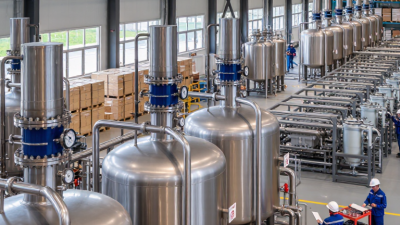
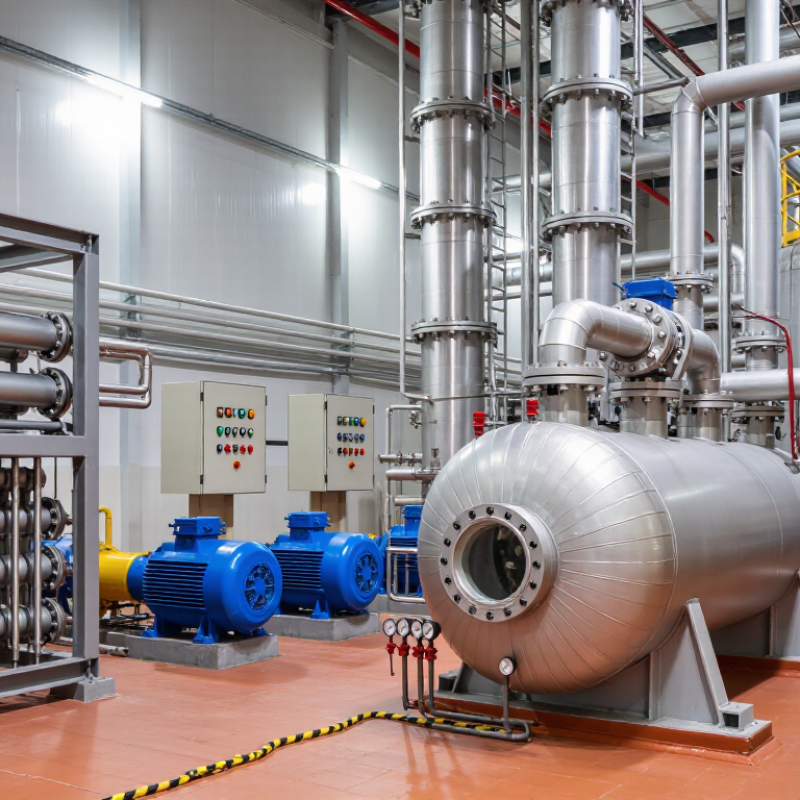
A reactor provides a controlled space for chemical reactions. Agitators distribute heat and materials throughout the vessel. Heat exchangers transfer energy between separate fluid streams without direct mixing. Pumps move liquids through pipes, while valves regulate flow and protect equipment from unstable conditions. In a typical processing area, stainless steel surfaces may reflect bright lights as gauges record pressure and temperature continuously.

Safe operation depends on correct design, suitable materials, inspection, and trained personnel. Engineers consider corrosion, viscosity, pressure, temperature, maintenance access, and environmental conditions before selecting equipment. Industry standards and documented operating procedures also support reliable performance. Still, no system is flawless. A blocked filter, loose seal, or inaccurate sensor can create serious process problems. Small details matter.

This guide explains how Chemical Equipment works and why each unit has a specific role. It connects technical principles with practical observations from industrial environments. Some simplified explanations may not cover every specialized process. That limitation deserves attention. Real facilities require professional assessment, verified data, and equipment designed for their exact operating conditions. Understanding these fundamentals helps readers evaluate process systems more carefully and recognize where expert judgment remains essential.
What Is Chemical Equipment and How Does It Work?

Defining Chemical Equipment and Its Role in Industrial Processes

What Is Chemical Equipment and How Does It Work?

Chemical equipment includes the vessels, pipes, pumps, heaters, filters, and control systems used to transform raw materials safely. Its role is not merely mechanical. Each component controls temperature, pressure, flow, mixing, separation, or chemical contact during production.

A reactor may hold liquid at 180°C while an agitator prevents uneven heating. A heat exchanger transfers energy through metal surfaces without mixing fluids. Pumps move corrosive liquids through lined pipes, while sensors continuously measure pressure and temperature. These details support repeatable production, but they also create failure points. A blocked filter, for example, can raise pressure quickly. Operators therefore combine equipment design, inspection, maintenance, and process training.

The scale of this work is substantial. The International Energy Agency reports that the chemical sector accounts for about 14% of global oil demand and 8% of global natural gas demand in its analysis of petrochemicals. Chemical equipment therefore influences energy use far beyond the factory boundary. The United Nations Industrial Development Organization also emphasizes resource efficiency and cleaner production as industrial priorities. Efficient heat recovery, leak detection, and optimized pumping can reduce waste, although savings depend on real operating conditions.

A perfect process does not exist. Equipment ages, measurements drift, and production targets change. Engineers must question whether a familiar setting remains suitable, rather than trusting old operating habits. That practical judgment often determines whether equipment simply works or works reliably.

Main Types of Chemical Equipment and Their Specific Functions

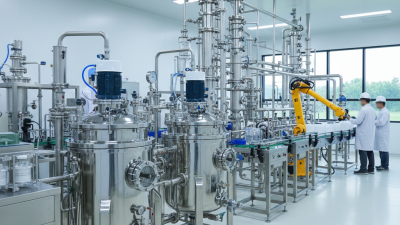
Chemical equipment includes the machines that transform, heat, cool, mix, separate, and store chemical materials. Reactors control chemical reactions through temperature, pressure, residence time, and agitation. A jacketed reactor, for example, circulates hot oil or cooling water around its vessel wall. Small temperature changes can alter yield, viscosity, or product quality. No reactor performs perfectly.

Heat exchangers transfer energy between process streams without direct mixing. Pumps and compressors move liquids and gases through controlled systems. Distillation columns separate components by differences in volatility, using trays or structured packing. Filters, centrifuges, and membrane units handle solids or dissolved materials. Their selection depends on particle size, pressure, corrosion risk, and required purity.

The International Energy Agency reported in The Future of Petrochemicals that petrochemicals could drive more than one-third of oil-demand growth by 2030. This pressure makes efficient separation and heat recovery increasingly important. The U.S. Department of Energy’s Industrial Decarbonization Roadmap identifies chemicals as a major energy-intensive manufacturing sector. Yet calculated efficiency can look better than field performance. Fouling, leaks, poor insulation, and unstable feed conditions reduce results. Operators should inspect vibration, temperature profiles, pressure drops, and cleaning records. Safety instruments, relief systems, and secondary containment are equally essential. A technically advanced unit still depends on disciplined operation.

How Chemical Equipment Operates Through Controlled Process Steps

What Is Chemical Equipment and How Does It Work?

Chemical equipment includes reactors, tanks, heat exchangers, pumps, filters, and separation units. These systems transform materials through controlled physical and chemical steps. In plant operations, each vessel must manage temperature, pressure, flow, mixing, and residence time. A reactor may contain an agitator, cooling jacket, temperature sensor, and pressure relief device. Together, these components keep the process within defined operating limits.

Chemical equipment operates through a planned sequence. Operators load measured materials, confirm valve positions, and start mixing at a controlled speed. Sensors continuously track temperature, pressure, level, and flow. A control system compares readings with approved setpoints. If temperature rises too quickly, cooling can increase or feed flow can stop. Small changes matter. Interlocks help prevent unsafe actions, but they cannot replace trained judgment or regular inspection.

After the reaction or treatment stage, the material may pass through filtration, distillation, drying, or heat recovery equipment. Sampling confirms whether the process is meeting quality requirements. Technicians inspect seals, clean contact surfaces, and check calibration before the next batch. In practice, equipment rarely performs perfectly without attention. A drifting sensor or partially blocked line can distort results. That is why operating records, maintenance findings, and careful review remain essential parts of reliable chemical processing.

Key Materials, Components, and Safety Features in Equipment Design

Chemical equipment includes reactors, tanks, heat exchangers, pumps, and filtration units used to control chemical processes. Its design begins with the fluid, operating temperature, pressure, and expected corrosion. Engineers commonly compare stainless steel, carbon steel, nickel alloys, lined vessels, and reinforced polymers. Each material solves a different problem. Stainless steel resists many aggressive fluids, while carbon steel can offer strength at lower cost. Material compatibility must be checked against concentration, impurities, and temperature, not guessed from a chemical name alone.

Inside a vessel, agitators improve mixing and prevent hot spots. Baffles control swirling. Heat-transfer jackets or coils regulate reaction temperature. Gaskets, seals, valves, sensors, and relief devices complete the working system. A pressure gauge may reveal a blocked line before damage occurs. Automated controls can stop feed flow when temperature rises beyond a safe limit. Small components matter. A failed gasket can release vapour, even when the main shell remains strong.

Safety features must match credible failure scenarios. Engineers use containment, ventilation, grounding, emergency shutdowns, alarms, and secondary barriers. Relief systems need correct sizing and safe discharge planning. Operators also require clear procedures, training, inspection records, and access for maintenance. In practice, design reviews sometimes focus heavily on normal operation. That is a weakness. Power loss, sensor failure, cleaning mistakes, and unexpected impurities deserve equal attention. No design is perfect. Good engineering keeps testing its assumptions, because a tidy drawing may hide a difficult reality.

Selecting, Maintaining, and Improving Chemical Processing Equipment

What Is Chemical Equipment and How Does It Work?

Selecting, Maintaining, and Improving Chemical Processing Equipment

Chemical equipment includes reactors, tanks, pumps, heat exchangers, filters, and control instruments. These systems move, mix, heat, cool, separate, or measure materials during processing. A reactor may combine controlled temperature, pressure, and agitation to produce a consistent result. In practice, equipment works as a connected system, not as isolated machines. A small seal failure can contaminate product, reduce efficiency, or create a serious safety concern.

Selection should begin with process data, not appearance or price. Engineers should check chemical compatibility, operating pressure, temperature, flow rate, viscosity, and cleaning requirements. Do not choose capacity from a catalog alone. Real production conditions often change. Maintenance needs evidence, not guesswork. Operators can record vibration, unusual noise, leaks, temperature drift, and energy use during routine checks. Visual inspections still matter. However, they cannot replace pressure testing, calibration, corrosion measurements, and documented servicing. Clear maintenance records help teams identify repeated failures and improve inspection intervals.

Improvement can start with small changes, such as better insulation, improved drainage, or automatic alarms for abnormal conditions. Process engineers should review these changes with operators and maintenance personnel before implementation. Their practical experience often reveals hidden problems. I have found that performance data is useful, but it is never perfect. Sensors drift, records contain gaps, and assumptions sometimes survive too long. A safer approach combines measured data, professional judgment, and regular review.