Top Biological Equipment for Modern Laboratories What You Need to Know?
In the ever-evolving landscape of modern laboratories, "Biological Equipment" plays a crucial role in research and development. According to a report by MarketsandMarkets, the global laboratory equipment market is expected to reach USD 62.28 billion by 2026. This growth highlights the increasing demand for advanced biological tools in various fields, including biotechnology and pharmaceuticals. Laboratories need equipment that enhances precision and reliability.
Investing in state-of-the-art biological equipment is essential. It allows scientists to conduct experiments with greater accuracy. For instance, the use of automated pipetting systems can reduce human error and improve reproducibility. Yet, not all labs are equipped with the latest technology. Some may still rely on outdated tools, leading to challenges in data reliability. This gap creates opportunities for improvement.
The selection of biological equipment should be strategic. Laboratories need to consider factors like budget, space, and specific research needs. Moreover, maintaining and calibrating equipment is critical for optimal performance. It's important to recognize that having advanced tools alone does not guarantee effective results; proper training and knowledge of the equipment are equally vital.
Essential Types of Biological Equipment Used in Modern Laboratories
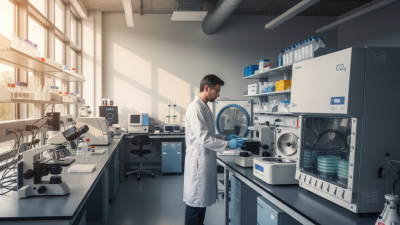
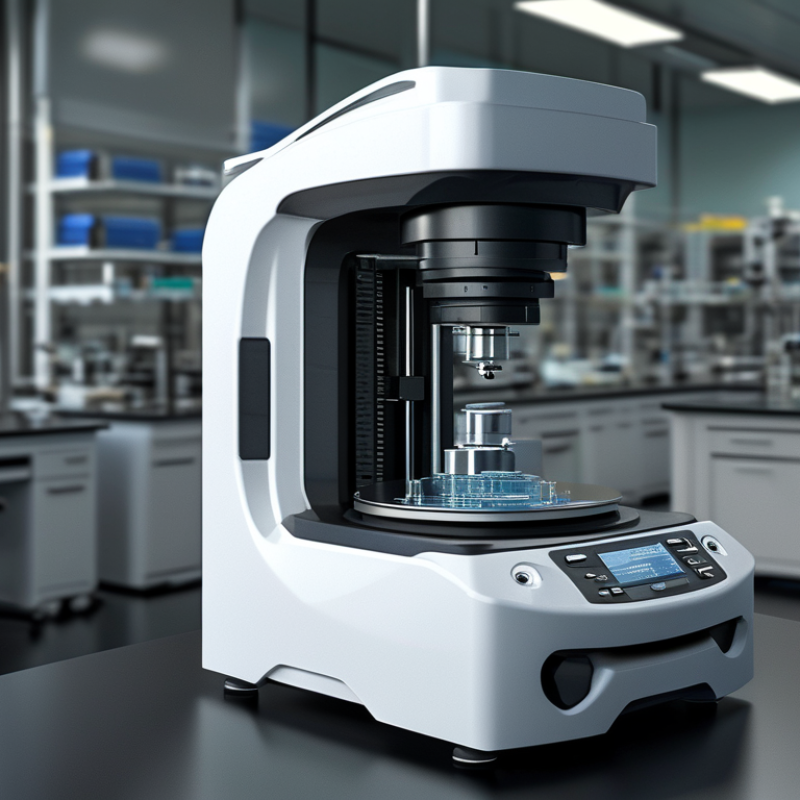
Modern laboratories rely heavily on a variety of biological equipment to conduct experiments efficiently. Essential gear includes incubators, centrifuges, and microscopes. Incubators maintain optimal temperatures for cell growth. These devices ensure cultures thrive and react predictably. Centrifuges, on the other hand, separate components of solutions by density, an important function in many experiments.
Microscopes allow scientists to observe biological specimens closely. They provide insights into cellular structures and microorganisms. Proper use requires skill. Misinterpretation can lead to faulty conclusions. Some labs may lack the necessary training for efficient microscope use, which can affect results.
Another critical component is the autoclave. This device sterilizes equipment and media. It prevents contamination, essential for reliable results. However, improper operation can render equipment ineffective. Regular maintenance checks are vital to ensure functionality. Laboratories must prioritize training and upkeep to maximize the potential of their biological equipment.
Key Features to Consider When Selecting Laboratory Equipment
Choosing the right laboratory equipment is crucial for efficiency and accuracy. Consider the specific needs of your research. Think about the space available in your lab. Equipment should fit well without crowding.
Key features include precision and reliability. Investigate the technical specifications. Evaluate the equipment's capabilities and limitations. User feedback is invaluable. Reading reviews can provide insight into how the equipment performs under real conditions.
**Tip:** Always assess if the equipment meets the current and future demands of your work. Trends in the field can change rapidly. Stay informed about technological advancements that can enhance your experiments.
It's worth noting that sometimes equipment does not perform as expected. This can be due to factors like poor calibration or incorrect usage. Reflect on these moments to improve your selection process. Well-informed decisions lead to better outcomes in the lab.
Safety Standards and Regulations for Biological Equipment
When working with biological equipment, safety standards are crucial. Laboratories must adhere to guidelines set by national and international bodies. The Occupational Safety and Health Administration (OSHA) outlines key regulations for laboratory safety. Compliance reduces the risk of accidents and promotes a secure work environment.
Biological equipment must meet the standards of the ISO 15189. This international guideline ensures reliable laboratory results. Studies show that over 80% of lab accidents occur due to equipment failure or improper use. Regular maintenance and proper training are vital to prevent these incidents. Labs must regularly review their protocols to ensure they align with evolving safety norms.
New data indicates over 25% of labs fail to comply with standard safety practices. This is alarming. A lack of compliance means increased risks for researchers. Continuous education on safety practices is a necessity. Exploring and implementing recent safety innovations can significantly lower these risks. The road ahead requires diligence and commitment from all laboratory personnel.
Top Biological Equipment Usage in Modern Laboratories
Innovative Technologies Shaping the Future of Laboratory Equipment
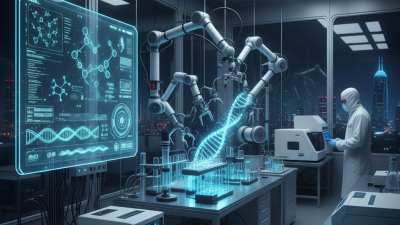
Innovative technologies are transforming laboratory equipment in significant ways. Advanced robotics now automate repetitive tasks, improving efficiency. For instance, sample processing can be done faster and with fewer errors. This shift towards automation is reshaping lab workflows, but it also requires staff to adapt and learn new skills.
Another exciting development is the rise of AI-driven analysis tools. These tools help scientists interpret complex data sets quickly. They offer insights that humans might overlook, but there are concerns about over-reliance on technology. Practitioners must balance machine-generated results with their expertise. The integration of these tools is not flawless, and experimentation is necessary to maximize their potential.
Additionally, eco-friendly materials are becoming more common in equipment manufacturing. Sustainable practices are critical for reducing waste and pollution. Laboratories must evaluate the long-term implications of their equipment choices. Developing a strategy for greener options can be challenging. However, these efforts reflect a collective responsibility towards the environment and help foster a culture of sustainability.
Top Biological Equipment for Modern Laboratories
| Equipment Type |
Description |
Key Features |
Innovative Technology |
Applications |
| PCR Machine |
Amplifies DNA samples |
Fast cycling, thermal accuracy |
Real-time monitoring |
Genetic research, diagnostics |
| Centrifuge |
Separates components based on density |
Variable speed, safety features |
Digital controls |
Cell separation, protein analysis |
| Incubator |
Maintains optimal growth conditions |
Temperature control, humidity settings |
Automatic calibration |
Cell culture, microbiological studies |
| Flow Cytometer |
Analyzes individual cells in fluid |
Multi-parameter analysis, high throughput |
Fluorescence detection |
Immunology, cancer research |
| Spectrophotometer |
Measures light absorption in samples |
Wide wavelength range, user-friendly interface |
Advanced optics |
Biochemistry, environmental testing |
Maintenance and Calibration Practices for Longevity of Equipment
Maintenance and calibration of biological equipment are essential for their longevity and accuracy. Regular checks ensure that instruments perform optimally. Dust and spills can lead to errors. A simple cleaning routine can greatly enhance performance. It is important to follow the manufacturer’s guidelines for cleaning and maintenance frequency.
Calibration must be conducted periodically. This helps in confirming that the equipment produces correct results. A miscalibrated device can lead to significant data errors and impact experiments. Relying solely on visual inspections is insufficient. Implementing regular calibration schedules can mitigate unexpected failures.
Moreover, documenting all maintenance activities creates a reliable history for each piece of equipment. This practice fosters accountability and encourages a preventative rather than reactive approach. Yet, ensuring complete adherence to protocols can be challenging. Human errors in documentation may occur, highlighting the importance of ongoing training for laboratory staff. The commitment to maintenance and calibration practices can directly affect research outcomes.