Top 10 Cold Storage Tanks for Global Buyers in 2026?
In the rapidly evolving landscape of food and beverage industries, the significance of cold storage tanks cannot be overstated. These tanks play a crucial role in preserving perishable goods, ensuring quality and safety. According to recent market research, the global cold storage tank market is projected to grow significantly, reaching USD 20 billion by 2026. This growth reflects the increasing demand for efficient storage solutions.
Cold storage tanks are essential for maintaining optimal temperatures for various products. Inadequate storage can lead to spoilage and loss of revenue. A staggering 30% of food globally is wasted due to improper storage practices. This statistic highlights the necessity for reliable cold storage solutions. Choosing the right tank is critical, as it directly impacts product integrity and operational costs.
Despite advancements in technology, challenges persist in the cold storage sector. Factors such as energy consumption and environmental impact are key considerations. Buyers must navigate these complexities when selecting a cold storage tank. Understanding specific needs and market trends can aid in making informed decisions. This article explores the top 10 cold storage tanks for global buyers in 2026, providing insights and practical recommendations to enhance efficiency.
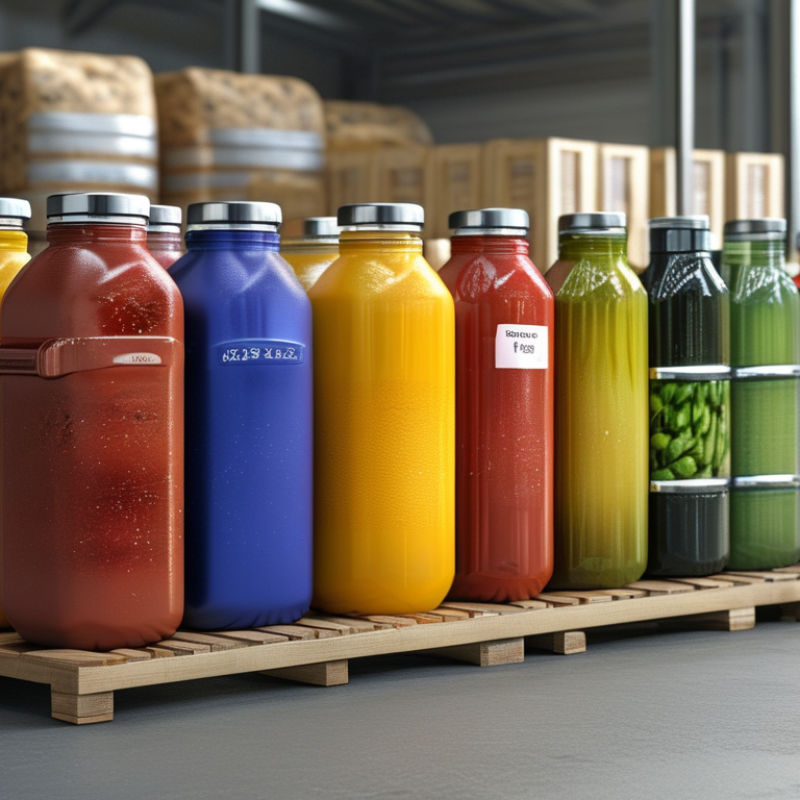
Overview of Cold Storage Tanks: Types and Applications
Cold storage tanks are vital for various sectors, particularly food and pharmaceuticals. They help maintain products at optimal temperatures, preserving quality. The growing demand for temperature-sensitive goods drives the cold storage tank market. By 2026, the market is projected to reach USD 19 billion, reflecting a CAGR of 9%.
Different types of cold storage tanks exist, including cryogenic tanks, refrigerated tanks, and insulation systems. Cryogenic tanks store liquefied gases, often used in scientific applications. Refrigerated tanks, however, are more common for food storage. Insulated tanks minimize temperature fluctuations, ensuring freshness longer. Each type serves distinct needs across various industries.
**Tips:**
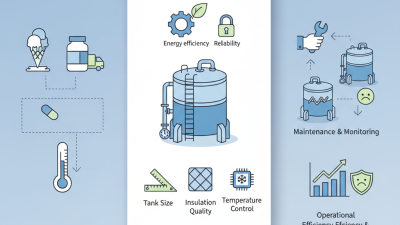
When choosing a cold storage solution, assess your product's specific temperature requirements. Also, consider your available space. Using advanced monitoring technology can optimize storage efficiency and reduce waste. Properly designed tanks can provide better energy savings, but poorly designed systems can lead to inefficient operations. Regular evaluations are key to sustaining effective cold storage solutions.
Key Factors Influencing the Cold Storage Tank Market in 2026
The cold storage tank market is set to experience significant growth by 2026. Key factors influencing this market include increasing demand from the food and beverage sector. According to a recent report by ResearchAndMarkets, the global cold storage market is predicted to reach $150 billion by 2026, growing at a CAGR of 12% from 2021. This surge is driven by the need for efficient food supply chains and the rising awareness of food safety.
Another crucial factor is technological advancements in refrigeration systems. The incorporation of IoT technology and automation enhances operational efficiency. A study published by MarketsandMarkets highlights that smart cold storage solutions can improve power consumption by up to 25%. However, challenges remain. The initial investment for advanced systems can be prohibitively high for smaller businesses.
Moreover, regulatory standards related to food safety are tightening. Compliance with these regulations necessitates investments in high-quality storage solutions. Not all companies are prepared for these challenges. While some may succeed in adapting, others could struggle to meet the evolving market demands. This gap can create opportunities for suppliers that focus on accessibility and cost-effectiveness.
Top 10 Cold Storage Tank Manufacturers: Features and Innovations
Cold storage tanks play a crucial role in the logistics of perishable goods. Manufacturers have prioritized innovative designs to improve storage efficiency. Recent industry reports show that the global cold storage market is expected to reach $212 billion by 2026. Innovations in tank materials and insulation technologies are key drivers of this growth.
Among the notable advancements are vacuum-insulated tanks. These tanks reduce energy consumption by up to 30%. Additionally, smart monitoring systems allow real-time temperature tracking. This technology significantly enhances food safety and reduces spoilage rates. Experts highlight that over 25% of perishable food items are wasted due to inadequate storage, making these innovations imperative.
Manufacturing cold storage tanks requires blending traditional engineering with modern technology. While many producers excel in offering robust products, challenges remain. Some tanks may still lack sufficient insulation in extreme environments. Addressing this gap is essential for maintaining product integrity. As manufacturers push for better solutions, the focus on sustainability and efficiency will remain critical.
Top 10 Cold Storage Tanks Overview - Expected Features and Innovations in 2026
Sustainability Trends in Cold Storage Tank Design and Usage
The evolution of cold storage tank design is being shaped by sustainability trends. The focus on energy efficiency has become critical. Designers are exploring insulation materials that minimize heat transfer. These materials reduce energy costs significantly, benefiting both the environment and businesses.
Another trend is the integration of renewable energy sources. Solar panels can power cooling systems. This innovation not only cuts energy costs but also reduces carbon footprints. Harvesting waste heat for reuse is another intriguing concept. Yet, challenges remain in technology adoption.
Regulations around sustainability are evolving, pushing industries to adapt. Many companies face difficulties aligning their old systems with new standards. The journey towards sustainable cold storage is complex. Solutions must be tailored to specific needs and local conditions. Design flexibility is essential to address these challenges effectively.
Market Forecast: Cold Storage Tanks and Global Demand Dynamics in 2026
The cold storage tank market is evolving rapidly. In 2026, global demand for these tanks will be significant. Industries are adapting to changing climate conditions. As temperatures fluctuate, the necessity for reliable cold storage increases. Food safety and preservation are primary concerns for consumers and businesses alike.
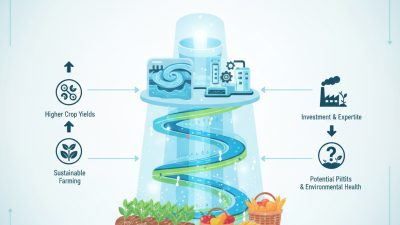
The agricultural sector is a major driver. Farmers need efficient solutions to store perishable goods. Additionally, pharmaceuticals require strict temperature control to ensure product integrity. Many businesses are facing challenges in maintaining quality. This is where cold storage tanks play an essential role. They need to be energy-efficient and cost-effective.
The rising energy costs pose a challenge for manufacturers. They look for innovative designs that minimize energy consumption. While the market is competitive, quality cannot be sacrificed. Some operators struggle to balance costs while upgrading technology. Surveillance and maintenance are critical for performance—neglecting these can lead to failures. In conclusion, navigating the complexities of this market demands continuous adaptation.