Why Choose an ASME Pressure Vessel?
Choosing an ASME Pressure Vessel is a decision about documented design, controlled fabrication, and safer operation. The ASME Boiler and Pressure Vessel Code sets requirements for covered vessel design and construction. Depending on the application, Section VIII requirements may guide pressure calculations, materials, welding, examination, and testing. A nameplate can identify the vessel’s code stamp and key design information. Weld records and material traceability documents help verify how it was built. These details matter when reviewing equipment years after installation.
A code-stamped vessel can offer a clear basis for evaluating pressure limits and construction quality. It does not, by itself, guarantee that a vessel suits every process. Buyers still need to confirm operating pressure, temperature, corrosion allowance, fluid properties, and site conditions with qualified engineering professionals. A vessel designed for one duty may be a poor fit for another. Not always obvious. Compare the required code edition, vessel division, inspection scope, and manufacturer’s authorization before ordering. Also check whether the documentation package includes drawings, calculations, inspection records, and test results. Those records are practical tools, not paperwork for its own sake.
The choice can affect installation, maintenance planning, and future inspections. A well-specified ASME Pressure Vessel may make these tasks easier to manage, especially when its design basis is clear. Still, no stamp replaces sound engineering judgment or a review of actual service conditions. Ask direct questions. What loads were considered? What testing was performed? Which limits apply? Careful answers—and complete records—help turn code compliance into a more dependable equipment decision.
What Defines an ASME Pressure Vessel?
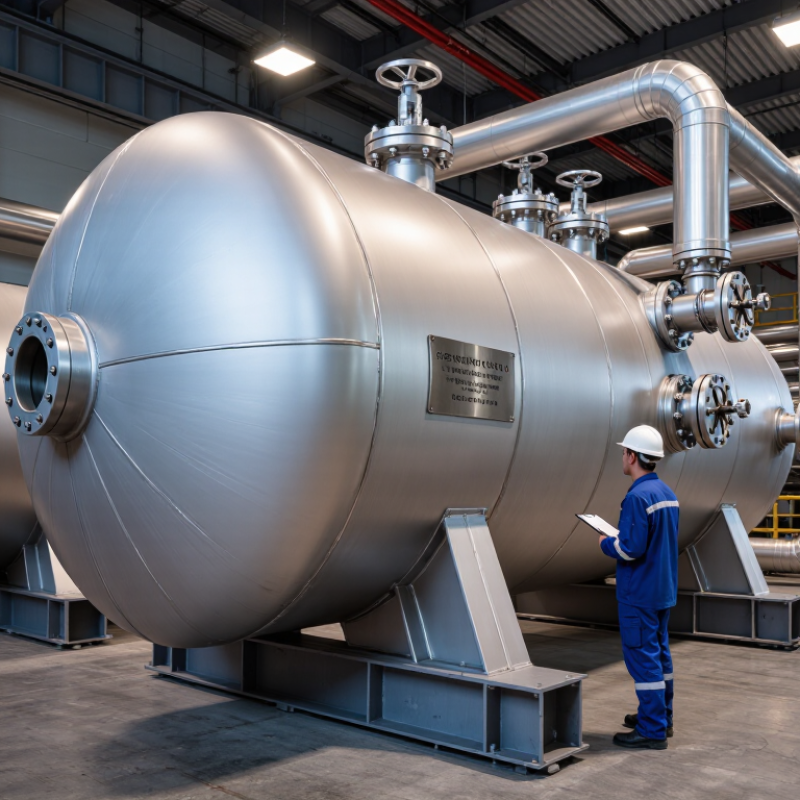
An ASME pressure vessel is not defined by appearance alone. It is a vessel designed and built to the applicable requirements of the ASME Boiler and Pressure Vessel Code, commonly Section VIII. Its design accounts for factors such as pressure, temperature, materials, wall thickness, and expected service conditions. A thick steel shell may look convincing, but appearance cannot verify its engineering or construction.
Documentation matters. Design calculations, material records, fabrication procedures, examinations, and required pressure tests help show that the vessel was made under the Code’s quality controls. When applicable, an authorized manufacturer applies the ASME Certification Mark with the relevant designator. That marking is tied to controlled procedures and inspection, not simply a claim in a sales description. Check the nameplate and records. Details count.
In a plant, the nameplate may list maximum allowable working pressure, temperature, serial number, and construction details. These values help operators and inspectors assess whether the vessel suits its intended duty. The paperwork can feel tedious, and it may not answer every practical question about future service. Still, it gives engineers a traceable basis for review, maintenance planning, and safe operating decisions.
How ASME Standards Shape Vessel Design and Construction
Why Choose an ASME Pressure Vessel?
How ASME Standards Shape Vessel Design and Construction
An ASME pressure vessel is shaped by documented engineering rules, not appearance alone. Under ASME BPVC Section VIII, Division 1, designers account for pressure, temperature, fluid, and service conditions. These inputs influence wall thickness, head geometry, nozzle reinforcement, and material selection. A vessel operating beyond 15 psig generally falls within the code’s pressure-vessel scope, subject to its exclusions.
The code also links design decisions to inspection and fabrication. ASME Section II provides material specifications and allowable-stress data; Section V covers nondestructive examination; Section IX sets qualification requirements for welding procedures and personnel. Under Section VIII-1, paragraph UG-99, the hydrostatic test pressure is generally at least 1.3 times the maximum allowable working pressure, with adjustments for allowable-stress ratios. That number matters. It gives fabricators and inspectors a defined test basis, rather than a guess.
In practice, this can mean checking a weld map against inspection records, or confirming a nozzle’s reinforcement before the vessel reaches the shop floor. The ASME Boiler and Pressure Vessel Code is a technical standard, not a promise that every installation will perform perfectly. Operating conditions, maintenance, and workmanship still matter. I would not treat a code stamp as a substitute for reviewing the actual design package and inspection documentation.
Why Choose an ASME Pressure Vessel? — How ASME Standards Shape Vessel Design and Construction
| Design or Construction Area |
Relevant ASME BPVC Section |
How the Standard Shapes the Vessel |
Typical Verification or Record |
| Pressure-boundary design |
Section VIII, Division 1 |
Provides rules for the design, fabrication, inspection, testing, and certification of covered pressure vessels. Design conditions and applicable requirements guide decisions such as wall thickness and component design. |
Design calculations, drawings, and required inspections and tests |
| Material selection |
Section II, Materials; used with the applicable construction section |
Lists material specifications and related properties used in Code construction. Material selection must suit the design conditions and satisfy applicable Code requirements. |
Material test reports and material identification, as applicable |
| Welding qualifications |
Section IX |
Sets qualification requirements for welding procedures and personnel when referenced by the construction Code. It helps establish that welding methods and operators meet defined qualification criteria. |
Qualified welding procedure specifications and welder performance qualifications |
| Non-destructive examination |
Section V, as referenced by the applicable construction rules |
Describes examination methods and requirements. The construction section determines where and to what extent examinations apply to a particular vessel. |
Examination procedures and reports, where required |
| Pressure testing |
Section VIII, Division 1 |
Includes requirements for pressure tests, such as hydrostatic testing, and provisions for pneumatic testing under specified conditions. The applicable rules determine the test approach and requirements. |
Test records documenting the method and results |
| Inspection and certification |
Applicable construction section and ASME conformity-assessment requirements |
For vessels built to a Code certification program, required reviews, inspections, documentation, and certification steps support conformity with the applicable Code edition and scope. |
Manufacturing records and applicable certification documentation |
Note: Applicable requirements depend on the vessel’s design, construction Code, Code edition, and jurisdiction. Local laws and regulations determine whether ASME construction or certification is required.
Which Safety and Quality Checks Support Code Compliance?
An ASME pressure vessel is supported by documented checks at each stage of construction. The design review examines operating pressure, temperature, materials, and expected service conditions.
Small details matter.
A misplaced heat number or outdated drawing can complicate an otherwise sound build. Material records help trace plate and nozzle components back to their specifications and test certificates.
Welding procedures and welder qualifications are checked against applicable code requirements. Inspectors review weld preparation and finished joints, while required nondestructive examinations look for flaws that may not be visible on the surface.
Pressure testing is performed as prescribed by the governing construction code. An Authorized Inspector reviews required records and inspections; the vessel’s nameplate identifies key code information.
Not just paperwork.
These checks create a trail from approved calculations to the finished vessel. In practice, records can still be incomplete or hard to follow, so clear document control deserves as much attention as the physical inspection.
What Practical Benefits Can ASME Certification Provide?
An ASME-certified pressure vessel gives buyers documented evidence that its design and construction follow a recognized technical code. That can simplify vendor qualification, support project specifications, and make inspection records easier to review. ASME’s certification-program materials report more than 6,000 certificate holders worldwide. This broad adoption can help when equipment crosses supplier or project boundaries. A consistent code basis is useful.
Certification also means more than a nameplate. Design calculations, material traceability, welding documentation, and authorized inspections create records that operators can check against the vessel in service. Those details matter when a maintenance team needs to verify a nozzle, weld, or pressure rating years later. A stamp is not magic. It cannot replace correct operation, routine inspection, or competent maintenance, and it does not guarantee that every project requirement is met. Buyers should confirm the applicable code section, inspection scope, and documentation package before ordering. Even then, paperwork can be hard to interpret; asking the manufacturer to explain key records is practical, not fussy.
How to Assess an ASME Vessel for a Specific Application?
Why Choose an ASME Pressure Vessel?
Assessing an ASME vessel for a specific application starts with the process, not the nameplate. Define normal and maximum pressure, operating temperature, fluid composition, and required capacity. Include startup, shutdown, cleaning, and upset conditions. A vessel that handles steady pressure may not suit frequent pressure cycling.
Small details matter. Check whether the service involves vacuum, corrosive compounds, solids, or temperature changes. These affect shell thickness, material selection, internal components, and connection placement. Confirm the applicable ASME construction requirements and edition with a qualified engineer. Code construction supports consistent design and inspection, but it does not prove that a vessel fits every process.
Consider how the vessel will be installed and maintained. Measure available floor space, lifting clearance, nozzle access, and support locations. Think about insulation, drainage, and access for inspection. Verify that pressure-relief devices match the credible operating scenarios, and review documentation such as material records and design calculations. A neat datasheet can still miss a real operating condition; that is easy to overlook. Ask the process, mechanical, and inspection teams to review assumptions together before specifying the vessel. This step may take time, but it can expose mismatches before fabrication or installation.
Why Choose an ASME Pressure Vessel?
Preliminary shell-thickness screening by design pressure
The bars show preliminary required shell thickness calculated with the ASME Section VIII, Division 1 cylindrical-shell internal-pressure equation
t = PR / (SE − 0.6P). Assumptions: inside radius 24 in, allowable stress 15,000 psi, and weld-joint efficiency 1.0. Use the chart as an initial screening aid only; final vessel selection and design must also account for material suitability, temperature, corrosion allowance, manufacturing tolerances, external loads, inspection, and applicable code requirements.