Choosing an Asme Pressure Vessel in 2026 requires more than comparing price, diameter, or advertised capacity. The correct vessel must match the fluid, design pressure, operating temperature, cycle frequency, corrosion risk, and installation environment. A vessel holding hot hydrogen behaves differently from one storing chilled ammonia. Even a small nozzle connection can affect stress analysis, maintenance access, and future inspection costs.
Industry demand continues to support careful selection. MarketsandMarkets projects steady growth in the global pressure vessel market through 2029, driven by energy, chemical processing, and power projects. The International Energy Agency’s Global Hydrogen Review highlights expanding hydrogen infrastructure, where material compatibility and fatigue resistance become critical concerns. Meanwhile, ASME Boiler and Pressure Vessel Code Section VIII remains a central engineering reference for design, fabrication, examination, and certification. API 510 also provides widely used inspection guidance for in-service vessels.
The numbers help. They do not decide everything. A reliable specification should identify the required MAWP, design temperature, corrosion allowance, weld efficiency, relief-device settings, and applicable materials. Ask for traceable material certificates, qualified welding records, nondestructive examination results, and a complete data book. Check whether the supplier’s quality system is independently audited. Confirm that the proposed design fits local registration and site-inspection requirements.
A vessel can meet code and still be unsuitable. That uncomfortable detail deserves attention. Engineers should review process upsets, vacuum conditions, thermal cycling, transport restraints, and operator access before approval. In 2026, the best Asme Pressure Vessel is not simply the strongest option. It is the vessel whose design assumptions remain defensible years after commissioning.
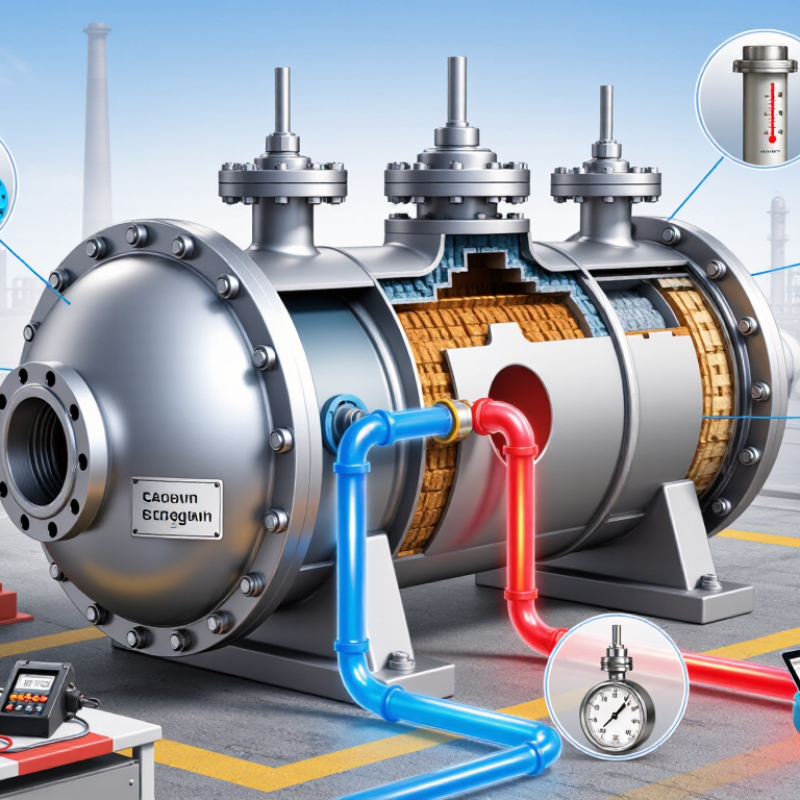
Defining service conditions is the real starting point. Record the design pressure, operating pressure, temperature range, volume, and fluid composition. Do not rely on normal operating values alone. Include start-up, shutdown, blocked outlets, thermal expansion, vacuum conditions, and pressure surges. ASME Boiler and Pressure Vessel Code Section VIII requires design verification against these conditions, but the code cannot correct incomplete process data.
Fluid details matter more than many specifications suggest. State whether the contents are toxic, flammable, corrosive, abrasive, or prone to hydrogen damage. The 2024 Global Hydrogen Review reported global hydrogen demand near 100 million tonnes in 2023. That growth increases attention on permeation, embrittlement, and cycling risks. A vessel handling wet hydrogen needs a different material review than one storing dry nitrogen. Small wording differences can change the engineering decision.
Volume also affects stored energy, relief capacity, inspection access, and transport planning. Specify the required working volume, not only the shell volume. Then review corrosion allowance, fatigue cycles, minimum design metal temperature, and relief-device settings. The 2023 edition of ASME Section VIII remains a key reference, yet project conditions still require engineering judgment. The first data sheet is rarely perfect. I would challenge every assumed temperature and fluid property before approving fabrication. A vessel that passes a calculation may still be poorly selected if its actual service history was misunderstood.
How to Choose an ASME Pressure Vessel in 2026?
Above 15 psi is the gate, not the decision. ASME BPVC Section VIII, Division 1 covers pressure vessels above 15 psig, subject to stated exclusions and jurisdictional rules. Division 2 offers alternative requirements for vessels needing more detailed engineering. The pressure number matters. So do temperature, fluid hazard, corrosion allowance, cycling, and external vacuum.
A practical review starts with the operating envelope. Record normal pressure, maximum allowable working pressure, startup surges, and design temperature. Then check shell diameter, wall thickness, nozzle loads, and expected fatigue cycles. Division 1 often suits conventional vessels with established geometries and moderate cyclic service. Division 2 may fit complex vessels, higher stresses, or weight-sensitive designs. It demands design-by-analysis, tighter documentation, and qualified inspection controls. It is not automatically safer.
Market evidence supports careful screening. Grand View Research’s 2024 pressure vessel market report estimated the global market at more than USD 50 billion, reflecting broad use across energy, chemical, and manufacturing facilities. The International Energy Agency’s World Energy Investment 2025 report also projects global energy investment above USD 3 trillion, sustaining demand for engineered pressure equipment. These figures show scale, not suitability.
Do not choose by pressure alone. That shortcut is tempting. It can mislead. A vessel just above 15 psi may still need Division 2 review because of severe cycling or local stresses. Confirm the applicable jurisdiction, inspection route, materials, and relief protection with a qualified pressure-vessel engineer. The first design assumption may be wrong. Recheck it.
Choose Division 1 or Division 2 above the 15-psi ASME scope threshold.
ASME BPVC Section VIII generally applies to pressure vessels operating above 15 psig. Division 1 provides the commonly used design rules, while Division 2 offers alternative rules with more detailed analysis and stricter design, fabrication, and examination requirements. The chart shows the pressure threshold only; final code selection also depends on vessel geometry, materials, service conditions, design loads, and jurisdictional requirements.
Material selection should begin with the design temperature, pressure, and fluid chemistry. Do not choose steel by yield strength alone. ASME allowable stress values control wall-thickness calculations at the actual design temperature. Check the material specification, product form, weld efficiency, and temperature limits together. A material certificate should match the vessel drawing and purchase documents. Small mismatches can create expensive redesigns.
Corrosion allowance needs evidence, not a convenient guess. Review process contaminants, moisture, flow velocity, cleaning chemicals, and historical thickness readings. Add allowance for expected metal loss during the planned service period. Erosion may be local, so a uniform extra thickness may still miss vulnerable elbows or inlets. A common mistake, even in careful specifications, is treating corrosion allowance as a substitute for inspection. It is not. Consider cladding or a compatible lining when the chemistry is severe.
Tips: Record the corrosion-rate source. Confirm MDMT at the selected thickness. Check weld impact-testing requirements. Review nozzle areas separately. For MDMT, examine material toughness, thickness, stress level, weld details, and impact-test exemptions under the applicable ASME rules. The lowest metal temperature may occur during startup, depressurization, or an empty-vessel condition. I would also ask the fabricator to verify the final material traceability package. This step feels repetitive, but missing heat numbers can weaken an otherwise sound design. When operating data is uncertain, document the assumption and revisit it before fabrication.
How to Choose an ASME Pressure Vessel in 2026?
Selecting an ASME pressure vessel starts with verifying the required MAWP. MAWP must exceed the operating pressure at the specified design temperature. Check every pressure boundary, including shells, heads, nozzles, flanges, and tubes. The weakest component controls the vessel rating. A spreadsheet can still be wrong.
Wall thickness calculations should follow the applicable ASME Section VIII rules. Include corrosion allowance, forming loss, mill tolerance, and weld efficiency. For a vessel exposed to vacuum, review external pressure and buckling separately. Internal pressure strength alone does not prove safe operation. Inspect the drawing at the nozzle junction. Stress concentrations often hide there.
Fatigue life requires more than counting pressure cycles. Identify startup, shutdown, thermal gradients, vibration, and rapid filling events. Use realistic cycle ranges and local stress analysis where geometry changes sharply. Weld details, surface condition, and inspection quality also affect fatigue performance. Keep material certificates, calculation records, examination results, and revision history together. Independent review adds useful resistance to optimistic assumptions.
The design may pass.
But the inputs may be weak. Recheck pressure history, temperature measurements, and corrosion predictions before approval. During selection, ask whether the vessel can tolerate actual service variations, not only ideal design conditions. That question is sometimes uncomfortable, yet it prevents an apparently compliant vessel from becoming an unsuitable one.
Choosing an ASME pressure vessel in 2026 starts with the test record, not the sales brochure. For many Section VIII, Division 1 vessels, UG-99(b) commonly requires hydrostatic testing at 1.3 × MAWP, adjusted when stress-ratio rules apply. Do not treat 1.3 as a magic number. The final pressure must match the approved design calculations and certified nameplate.
During witnessed testing, I check the calibrated gauge, test-fluid temperature, pressure location, and holding time. A cold, clean water fill helps reveal seepage around nozzles, welds, and manways. The test pressure should be recorded at the vessel’s highest point, where pressure is lowest. That detail is easy to miss. It can weaken an otherwise strong inspection file.
Industry demand is also raising the cost of poor documentation. Grand View Research’s 2024 pressure-vessel market assessment estimated a global value above USD 50 billion, with continued growth through 2030. ASME certification program information reports thousands of certified organizations across many countries. Those figures suggest a crowded supply chain, not automatic quality. Request the U-stamp authorization, Manufacturer’s Data Report, material traceability, weld procedures, welder qualifications, NDE results, and signed UG-99 test certificate. I once relied too heavily on a polished dossier; the missing gauge calibration date changed the review. Better selection leaves an auditable trail from design pressure to hydrostatic release.