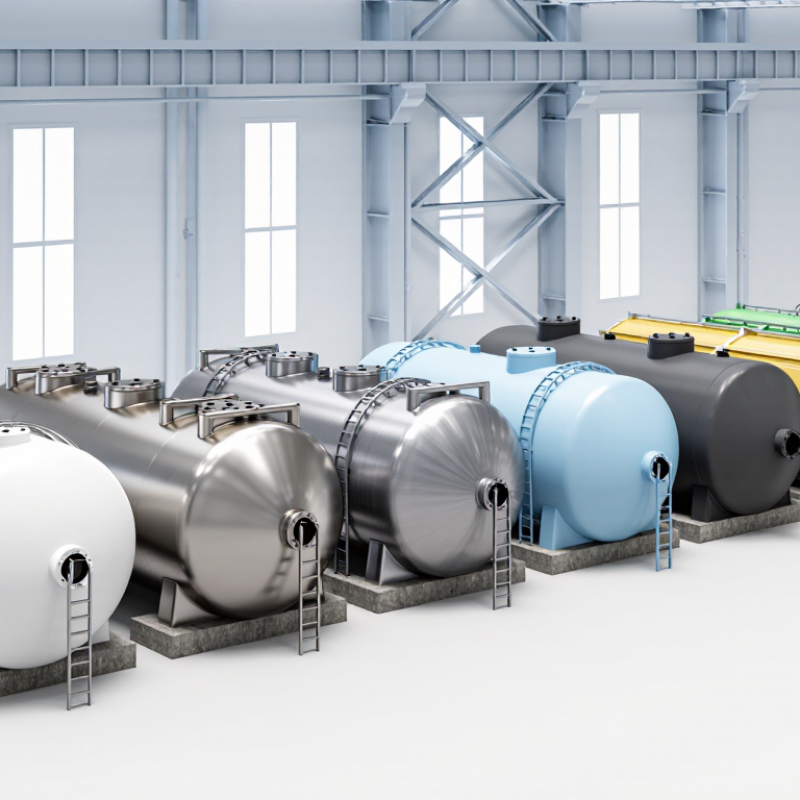
Choosing the right Chemical Storage Tank is rarely a simple price comparison. Chemical properties, operating temperatures, site conditions, and local requirements all influence the final decision. A tank that performs well in a cool warehouse may fail under intense sunlight or coastal humidity. That difference matters.
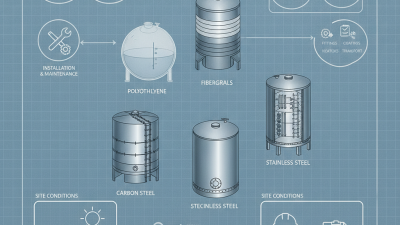
This guide examines ten practical tank options for global buyers. It considers polyethylene, fiberglass, stainless steel, carbon steel, and specialized lined designs. Each material offers distinct strengths and limitations. Polyethylene tanks resist many corrosive chemicals and remain relatively lightweight. Stainless steel provides durability, but it may require a higher investment. Fiberglass can suit demanding outdoor installations when its resin system matches the stored chemical.
Material compatibility comes first. Always verify concentration, temperature, density, and exposure time with technical documentation. Tank volume also deserves careful attention. A 10,000-liter tank needs usable capacity, expansion space, access clearance, and spill protection. Small details become expensive problems later.
Look closely.
Reliable selection also depends on supplier experience. Ask for test records, manufacturing details, inspection procedures, and maintenance guidance. Recognized standards can support confidence, but they do not replace site-specific engineering. Local authorities may require particular fire controls, separation distances, labeling, or secondary containment.
There is no universal “best” tank. That wording can hide important trade-offs. A cheaper option may need more frequent inspection. A premium design may exceed the site’s actual needs. This overview provides a clear starting point, not a substitute for qualified engineering review. Buyers should compare lifecycle cost, safety, service support, and documented compatibility before placing an order. Mistakes are possible, even with careful research. Recheck the chemistry.
10 Best Chemical Storage Tanks for Global Buyers?
Chemical Storage Tanks: Types, Materials, and Core Safety Features
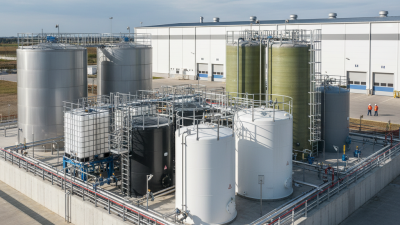
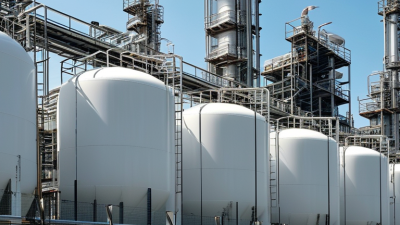
The best chemical storage tank depends on chemistry, temperature, volume, and local standards. Vertical polyethylene tanks suit many corrosive liquids at moderate temperatures. Fiberglass-reinforced plastic offers stronger structural performance and useful chemical resistance. Steel tanks remain practical for solvents, fuels, and high-capacity installations. Lined steel can bridge strength and corrosion protection, but damaged linings demand immediate inspection.
Material compatibility must be verified against concentration, temperature, and exposure time. A tank that survives water may fail with a concentrated oxidizer. That mistake is more common than specifications suggest. The AMPP IMPACT study estimates global corrosion costs at about 2.5 trillion dollars annually, equal to roughly 3.4% of global economic output. This figure supports rigorous material selection, not automatic preference for plastic or metal.
Core safety features include secondary containment, overfill alarms, venting, grounding, level monitoring, and accessible emergency isolation. Double-wall designs can reduce release risks, while bunds provide visible control during leaks. NFPA 30 and CCPS guidance emphasize hazard-based design, separation, inspection, and management of change. Requirements still vary by country and chemical class. Buyers should request test certificates, welding records, compatibility data, and inspection schedules. Field experience also matters. A perfect tank can become unsafe when a blocked vent, failed sensor, or careless transfer connection is ignored. Safety is never a single component.
Chemical storage tanks are selected according to chemical compatibility, operating temperature, mechanical strength, UV exposure, and required safety controls. The chart compares representative material densities commonly used in chemical storage tank construction.
Density values are representative engineering values in kilograms per cubic metre and may vary by grade, reinforcement, additives, and manufacturing method. Material selection should always be verified against the stored chemical, concentration, temperature, pressure, and applicable local standards.
The 10 Best Chemical Storage Tanks for Global Buyers are not chosen by price alone. The best option depends on chemical compatibility, capacity, temperature, and site conditions. Polyethylene tanks may suit many corrosive liquids, while fiberglass or lined steel can offer greater structural strength. Stainless steel works well for selected chemicals, but it is not universally resistant.
Global buyers should verify recognized design standards, welding procedures, inspection records, and material certificates. Local regulations may reference different pressure, fire, seismic, or environmental requirements. A tank designed for one country may fail approval elsewhere. Check vent sizing, vacuum protection, leak detection, and secondary containment before purchase. Ask for documented compatibility testing, not only a general chemical resistance chart. A small mistake here can become expensive.
Tips: Review the safety data sheet with a qualified engineer. Confirm operating temperature, specific gravity, fill level, and cleaning method. Inspect the tank’s base, fittings, gaskets, and access points. Plan for sunlight, freezing weather, strong winds, or earthquakes. Certification labels alone are not enough. Some buyers overlook ventilation and emergency drainage, which is understandable but risky. Even experienced teams should recheck assumptions when the chemical, location, or storage volume changes.
| No. | Tank Type | Typical Construction | Common Chemical Applications | Typical Design Envelope* | Key Advantages | Principal Limitations | Relevant Standards and References | Essential Buyer Checks |
|---|---|---|---|---|---|---|---|---|
| 1 | High-Density Polyethylene (HDPE) Tank | Rotational-molded or fabricated polyethylene, normally vertical and atmospheric. | Many aqueous acids, alkalis, salts, fertilizers, wastewater chemicals and selected oxidizers. | Commonly about -40 to 60 °C; non-pressure service. Actual limits depend on concentration, specific gravity and tank geometry. | Good corrosion resistance, low weight, easy installation and no internal coating required for compatible liquids. | Temperature and UV exposure can reduce service life; permeation and oxidation compatibility must be evaluated. | ASTM D1998 for rotational-molded polyethylene tanks; ASTM D3350 for polyethylene materials; local thermoplastic welding requirements where applicable. | Confirm chemical compatibility, specific-gravity rating, UV stabilisation, vent sizing, nozzle loads, bund capacity and temperature derating. |
| 2 | Polypropylene (PP) Tank | Welded sheet or fabricated polypropylene, usually vertical and atmospheric. | Selected acids, alkalis, plating chemicals, process solutions and high-purity water services. | Commonly about 0 to 90 °C; exact temperature capability depends on resin grade and sustained load. | Higher temperature capability than many polyethylene tanks and strong resistance to numerous inorganic chemicals. | Lower impact resistance at some temperatures; vulnerable to UV degradation unless stabilised; not suitable for every oxidizer. | Applicable thermoplastic fabrication and welding procedures, ISO 14617-series welding symbols where used, and national pressureless-tank rules. | Request resin identification, weld procedure qualification, stress-relief details, support design and chemical compatibility at operating temperature. |
| 3 | Fiberglass-Reinforced Plastic (FRP/GRP) Tank | Glass-fiber reinforcement with a chemically resistant thermoset resin and corrosion barrier. | Acids, caustics, brine, chlorine-related chemicals, scrubber liquor and water-treatment chemicals. | Often about -20 to 100 °C, but the resin, laminate, concentration and thermal cycling determine the actual limit. | High corrosion resistance, good strength-to-weight ratio, large capacity options and low external corrosion risk. | Can suffer from resin degradation, permeation, impact damage and laminate defects; field repairs require specialist procedures. | ASTM D3299 for filament-wound FRP tanks; ASTM D4097 for contact-molded FRP tanks; EN 13121 for above-ground GRP tanks and vessels. | Verify resin type, corrosion-barrier thickness, laminate design, hydrostatic test method, lifting points, supports and inspection records. |
| 4 | Carbon-Steel Atmospheric Tank | Welded carbon-steel shell with a roof, external coating or internal lining selected for the chemical. | Water, oils, selected solvents, bulk raw materials and chemicals compatible with steel or a specified lining. | Normally atmospheric or low pressure; temperature and corrosion allowance must be engineered for each service. | High structural strength, large-volume capability, widely available welding expertise and straightforward inspection. | Unlined steel can corrode rapidly; heavy construction, coating maintenance and foundation requirements increase lifecycle cost. | API 650 for welded storage tanks; EN 14015 for site-built vertical cylindrical tanks; API 653 for in-service inspection where applicable. | Specify corrosion allowance, design wind and seismic loads, weld examination, coating system, grounding, secondary containment and inspection access. |
| 5 | Stainless-Steel Tank | Welded austenitic stainless steel, commonly selected by grade and surface-finish requirement. | Food and pharmaceutical liquids, high-purity water, selected acids, solvents and corrosive process chemicals. | Can support a wide temperature range, but chloride level, pH, concentration and stress-corrosion conditions are decisive. | Durable, cleanable, mechanically strong and suitable for hygienic or high-purity services when properly finished. | Higher purchase cost; pitting, crevice corrosion and chloride stress-corrosion cracking remain possible. | EN 14015 or API 650 for applicable atmospheric tanks; EN 10088 for stainless-steel material designations; ASME Section VIII for pressure vessels. | Confirm grade selection, chloride limits, weld-passivation method, surface roughness, cleanability, pressure classification and non-destructive testing. |
| 6 | Rubber-Lined Steel Tank | Carbon-steel structural shell with a bonded or mechanically retained elastomer lining. | Abrasive slurries, dilute acids, mineral-processing liquids and selected wastewater chemicals. | Often about 0 to 90 °C, depending strongly on rubber compound, chemical concentration and thermal cycling. | Combines steel strength with a flexible corrosion barrier and can tolerate some abrasive service. | Lining can blister, tear, delaminate or age; inspection and repair require controlled procedures. | API 650 or EN 14015 for the steel shell where applicable; lining inspection practices such as ASTM D5162 may be specified by contract. | Check elastomer compatibility, lining thickness, holiday testing, adhesion, joint details, vacuum limitations and repair warranty terms. |
| 7 | Fluoropolymer-Lined Steel Tank | Steel shell with a fluoropolymer lining or sheet system, including carefully sealed nozzles and flanges. | Highly corrosive acids, halogenated chemicals and specialty process liquids where broad chemical resistance is required. | Temperature may reach approximately 120 to 200 °C for selected fluoropolymers, subject to construction and chemical limits. | Very high chemical resistance and reduced contamination compared with many metal surfaces. | High capital cost; lining damage, permeation, thermal expansion and vacuum conditions require specialist design. | Steel vessel design to API 650, EN 14015 or ASME Section VIII as applicable; fluoropolymer lining and welding procedures must be project-qualified. | Demand lining material certificates, permeation data, spark testing, seam details, temperature cycling limits and vacuum-rating confirmation. |
| 8 | Double-Wall Chemical Storage Tank | Primary tank enclosed by a secondary wall, commonly polyethylene, steel or FRP, with leak monitoring. | Acids, caustics, oxidizers, fuels and other regulated liquids requiring enhanced spill protection. | Atmospheric service; operating temperature and capacity are governed by the primary tank material and secondary-containment design. | Reduces consequences of a primary-wall leak and can simplify compliance where space for a separate bund is limited. | Higher cost and footprint; the interstitial space requires reliable leak detection, drainage and inspection access. | Applicable primary-tank standards plus local environmental and secondary-containment regulations; UL 142 may apply to certain above-ground steel tank configurations. | Verify interstitial-volume calculation, leak-sensor compatibility, alarm response, secondary-wall chemical resistance and regulatory approval in the destination country. |
| 9 | Low-Pressure Storage Tank | Welded steel, stainless steel or engineered thermoplastic vessel designed for limited internal pressure. | Liquids requiring nitrogen blanketing, controlled vapor handling, temperature management or closed-transfer systems. | Typically above atmospheric pressure but below full pressure-vessel design levels; the specified pressure must be stated in kPa or bar. | Supports safer vapor control, reduced atmospheric exposure and more controlled chemical handling. | Requires pressure-relief, vacuum-relief and vent systems; design rules are more demanding than for ordinary atmospheric tanks. | API 620 for certain large welded low-pressure tanks; ASME Section VIII or EN 13445 may apply when the vessel meets pressure-vessel criteria. | Define MAWP, vacuum design, relief-device sizing, gas blanketing, cyclic service, corrosion allowance, weld testing and jurisdictional inspection. |
| 10 | Underground Chemical Storage Tank | Buried FRP, double-wall thermoplastic or protected steel tank with anchoring and monitored containment. | Fuel-related chemicals, wastewater chemicals and selected bulk liquids where above-ground space is restricted. | Atmospheric service; soil loads, groundwater uplift, burial depth, temperature and traffic loading govern the design. | Saves surface space, protects the tank from some weather exposure and can provide secondary containment through a double-wall design. | Leaks are difficult to detect and repair; installation quality, groundwater control and long-term monitoring are critical. | UL 1316 for certain underground FRP tanks; EN 13121 may apply to GRP construction; local underground-storage and environmental regulations are mandatory. | Confirm groundwater uplift resistance, burial calculations, anchoring, interstitial monitoring, backfill specification, cathodic protection and permitting. |
Chemical storage decisions should follow the chemical, not the catalogue. UNEP’s Global Chemicals Outlook II projects global chemical production to double between 2017 and 2030. That growth increases demand for safer, application-specific storage.
Ten leading options cover different operating conditions.
Real projects need more than material selection. The US EPA’s SPCC framework emphasizes preventing oil and hazardous-liquid releases through containment and inspection. ASTM and API guidance also stress compatibility, venting, foundations, and inspection access.
In practice, I check concentration, temperature, density, filling cycles, and cleaning chemicals before approving a design. A tank that survives the liquid may still fail at its nozzle or support ring. That detail is easy to miss.
Data sheets can be incomplete, and field conditions often differ from laboratory tests. A qualified engineer should verify permeation, seismic loads, fire separation, and secondary containment before purchase.
Choosing among the 10 best chemical storage tanks for global buyers requires more than comparing price and volume. Chemical compatibility comes first. Review the stored chemical, concentration, temperature, density, and exposure time. A tank suitable for dilute acid may fail with a concentrated solution or heated mixture. Polyethylene works well for many corrosive liquids, while polypropylene can offer better heat resistance. Stainless steel suits selected chemicals, but chlorides may cause serious corrosion.
Capacity also needs careful calculation. Separate total capacity from usable capacity. Leave freeboard for thermal expansion, foaming, and safe filling. Check the tank’s diameter, height, access opening, outlet position, and installation space.
A 10,000-liter tank is not practical if trucks, pumps, or maintenance tools cannot reach it. Consider agitation, heating coils, level sensors, and emergency drainage before selecting the final design.
Compatibility charts are useful, not absolute. They may not reflect impurities, repeated cleaning, or sudden temperature changes. Request documented test data and inspect samples when the chemical is unfamiliar. Secondary containment should match the risk and site layout. Venting must control pressure without allowing contamination. I have seen projects focus on tank volume while overlooking weak fittings and incompatible gaskets. That mistake is expensive. Review every wetted component, not just the tank shell.
Choosing among the 10 best chemical storage tanks depends on chemical compatibility, capacity, temperature, and site conditions. Polyethylene tanks suit many corrosive liquids, while reinforced fiberglass or stainless steel may serve demanding applications. Carbon steel can be practical for compatible materials, but internal protection may be necessary. During field inspections, I have seen strong tanks fail because foundations were uneven or pipe connections were poorly supported.
Install each tank on a level, load-rated foundation with enough space for inspection. Use compatible gaskets, valves, and transfer lines. Secondary containment should hold the required volume under local regulations. Keep vents clear, anchor tanks where wind or seismic movement is possible, and label every connection. Local engineering review is essential. A perfect installation plan is rarely perfect on site.
Tips: Check chemical compatibility before delivery. Inspect walls, seams, valves, and gauges at scheduled intervals. Look for swelling, cracks, discoloration, leaks, or unusual odors. Keep inspection records with repair dates and responsible personnel. Operators should follow written procedures, review safety data sheets, and wear suitable protective equipment. Never rely on smell alone. Confirm tank levels before transfer, prevent overfilling, and keep emergency washing equipment accessible. Maintenance teams should test alarms and shutoff devices, although these checks are sometimes overlooked during busy production periods.