Why You Should Consider a Chemical Storage Tank for Your Facility?
In today’s industrial landscape, safety and efficiency are paramount. A Chemical Storage Tank is crucial for any facility handling chemicals. These tanks provide secure and compliant storage solutions. They help prevent leaks and spills, ensuring a safer working environment. However, many facilities overlook their importance.
Using a Chemical Storage Tank enhances operational efficiency. It allows for easy access to chemicals when needed. Proper storage reduces the risk of contamination. Facilities might struggle with inadequate storage solutions, leading to complications. This can affect production and employee safety. Investing in the right tank is essential.
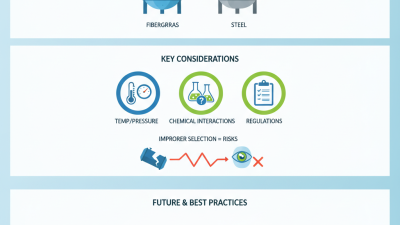
Choosing the appropriate Chemical Storage Tank involves careful consideration. Not all tanks are the same. Different chemicals require specific tank materials and designs. A lack of knowledge can lead to poor decisions. Therefore, consulting with experts in the field can help facilities meet safety standards and regulations. In the end, having reliable storage is not just a legal requirement but a fundamental aspect of operational integrity.
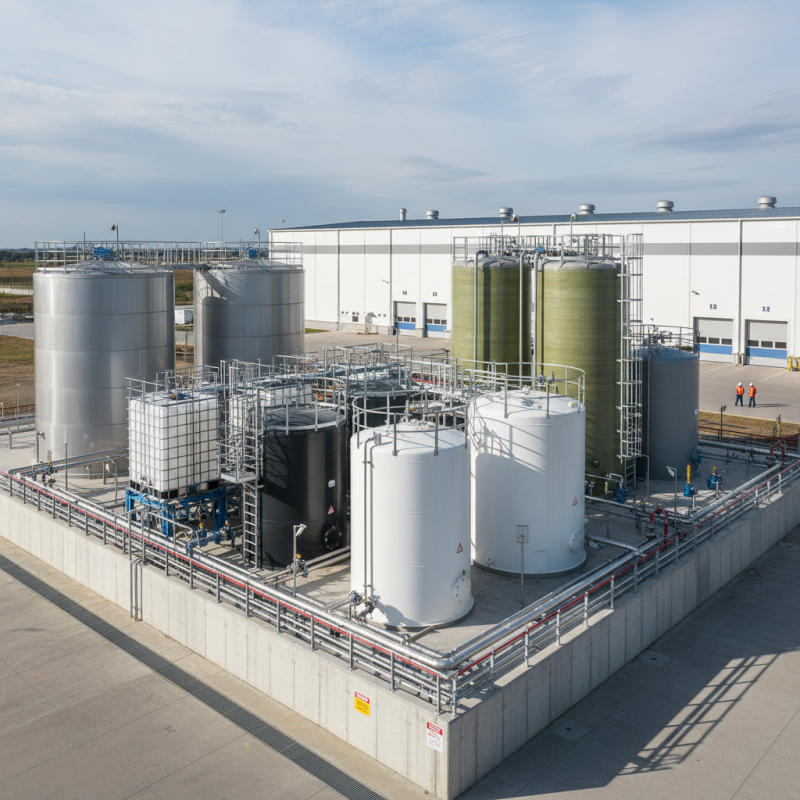
Benefits of Using Chemical Storage Tanks in Your Facility
Chemical storage tanks play a crucial role in various facilities. They offer numerous advantages that should not be overlooked. First, they ensure safe and secure storage of hazardous substances. This minimizes the risk of leaks and spills, which can lead to environmental damage and safety issues.
Moreover, chemical storage tanks are designed for durability and easy maintenance. Many tanks are built from corrosion-resistant materials. This extends their lifespan and reduces the frequency of replacements. Facilities can thus save significant costs on repairs and replacements. Properly managed tanks enhance operational efficiency.
However, not all storage solutions are perfect. Designing the right system requires expertise. Improper installation can lead to serious consequences, including breaches in safety protocols. Facilities must ensure compliance with safety regulations. Regular inspections and staff training are vital for maintaining the integrity of storage systems. By prioritizing safety and efficiency, facilities can better manage their chemical storage needs.
Types of Chemical Storage Tanks Available for Various Needs
Chemical storage tanks come in various types, each designed for specific needs. For instance, double-walled tanks offer extra protection. They reduce the risk of leaks and spills, ensuring safety, especially in sensitive areas. These tanks are ideal for facilities handling hazardous materials.
Another option is the vertical storage tank. It maximizes space efficiency and is suitable for large volumes. These tanks usually have a smaller footprint, making them advantageous in crowded facilities. They can be used for both liquids and solids, providing flexibility in storage solutions.
However, not every tank is suited for every facility. Each type has its advantages and disadvantages. Costs, maintenance, and regulations can vary significantly. Choosing the right tank necessitates careful consideration of specific needs and safety regulations. Some facilities may struggle with compliance due to outdated equipment. It's essential to regularly assess storage needs and ensure that tanks are suitable for current operations.
Types of Chemical Storage Tanks and Their Capacities
This chart illustrates the various types of chemical storage tanks available and their typical storage capacities in liters. Understanding these types can help you choose the right storage solution for your facility needs.
Key Compliance and Safety Regulations for Chemical Storage
When considering chemical storage, compliance with safety regulations is essential. Facilities must adhere to specific standards to protect employees and the environment. These regulations often include guidelines on tank design, capacity, and maintenance protocols. A well-designed storage tank helps prevent leaks and spills, which can have devastating effects.
Safety features are critical in chemical storage. Proper ventilation, spill containment, and emergency shutdown systems play a vital role. Facilities should regularly inspect these systems to ensure effectiveness. Inadequate maintenance can lead to hazardous situations, potentially risking lives. Training employees on safety protocols is just as important as the physical infrastructure.
Regular audits and inspections foster a culture of safety. They help identify potential issues before they escalate. Compliance enhances not only safety but also a facility’s credibility. Investing in quality storage solutions is worth considering for long-term benefits. Reflecting on these safety measures can inspire action and improvement.
Why You Should Consider a Chemical Storage Tank for Your Facility? - Key Compliance and Safety Regulations for Chemical Storage
| Dimension |
Description |
Regulatory Body |
Compliance Requirement |
Safety Measures |
| Tank Design |
Constructed to prevent leaks and withstand environmental factors |
EPA |
Must meet safety and durability standards |
Regular inspections and maintenance |
| Secondary Containment |
Additional layer to catch spills and leaks |
OSHA |
Required for large tanks with hazardous chemicals |
Regular checks for integrity of the containment |
| Labeling and Signage |
Clear identification of contents and hazards |
NFPA |
Must follow labeling standards for chemicals |
Ensure visibility and legibility of signs |
| Training |
Educating staff on proper handling and emergencies |
OSHA |
Mandatory employee training sessions |
Regular refresher courses and drills |
| Emergency Procedures |
Plans for spill response and evacuations |
EPA |
Establish and document emergency protocols |
Regular drills and readiness evaluations |
Cost Considerations When Investing in Chemical Storage Solutions
Investing in chemical storage solutions involves significant cost considerations. A well-designed chemical storage tank can enhance safety and compliance. However, the initial costs may seem daunting. Proper planning can help mitigate these expenses.
When evaluating costs, consider the long-term benefits. Chemical tanks cut down on spills and contamination. This reduces cleanup costs and potential fines. Additionally, installation can be complex. Ensure that your team is trained and that the facility meets all regulations. Skipping these steps may lead to costly mistakes.
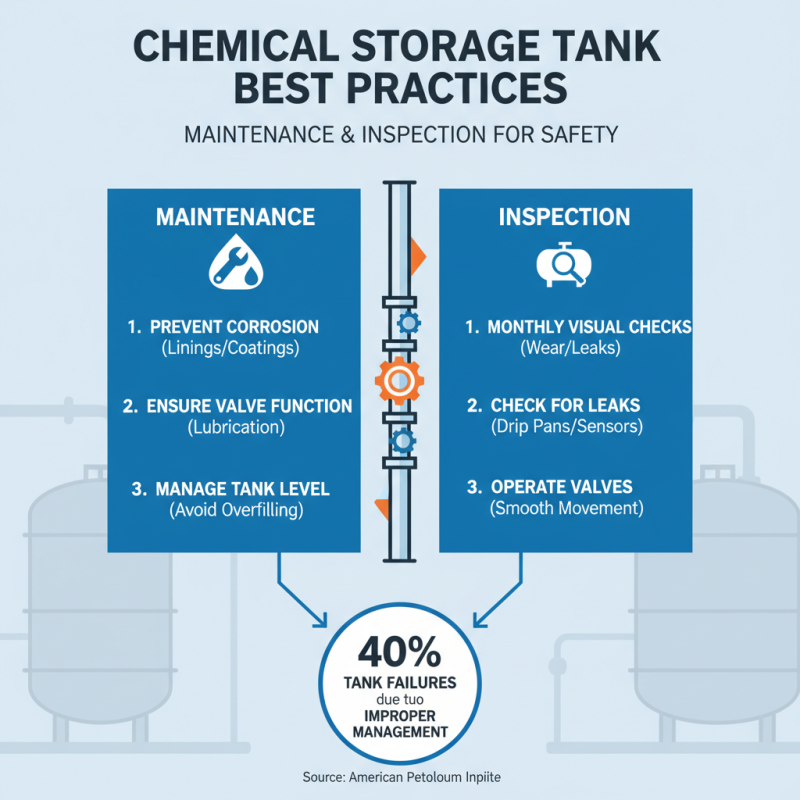
Another aspect to consider is maintenance. Regular inspections are crucial. Neglecting them can result in unexpected repairs, adding to overall costs. Investing in quality construction enhances durability and longevity. While upfront costs may be higher, the savings over time can be substantial. Balancing initial investment against potential savings requires careful thought. Each facility has unique needs, so customization might be necessary.