What is a Chemical Storage Tank and How to Choose One?
Choosing the right Chemical Storage Tank is crucial for industries handling hazardous materials. Dr. Emily Harper, a renowned expert in chemical safety, states, "An appropriate tank can greatly reduce risks and improve efficiency." This underscores the importance of selecting a tank that meets specific needs.
Chemical Storage Tanks come in various types, each suited for different chemicals. Materials matter. Stainless steel tanks are durable and resistant to corrosion. However, some chemicals may require specialized designs to ensure safety. Features like safety valves and level gauges are also essential.
The process of selection can seem overwhelming. Many companies lack the expertise to choose correctly. Consulting with industry professionals can help. It's also vital to reflect on past experiences. Mistakes in tank selection can lead to accidents. Therefore, thorough research and attention to detail are necessary for making the right choice.
What Constitutes a Chemical Storage Tank? Definitions and Types
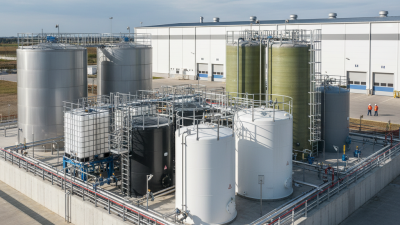
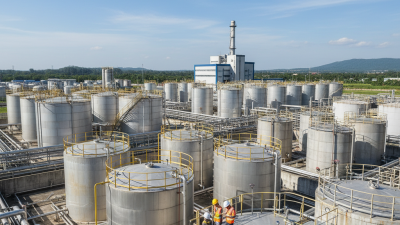
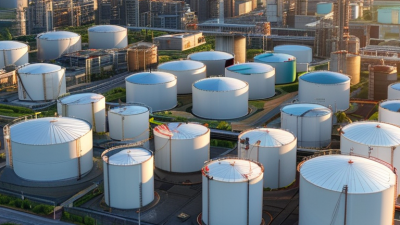
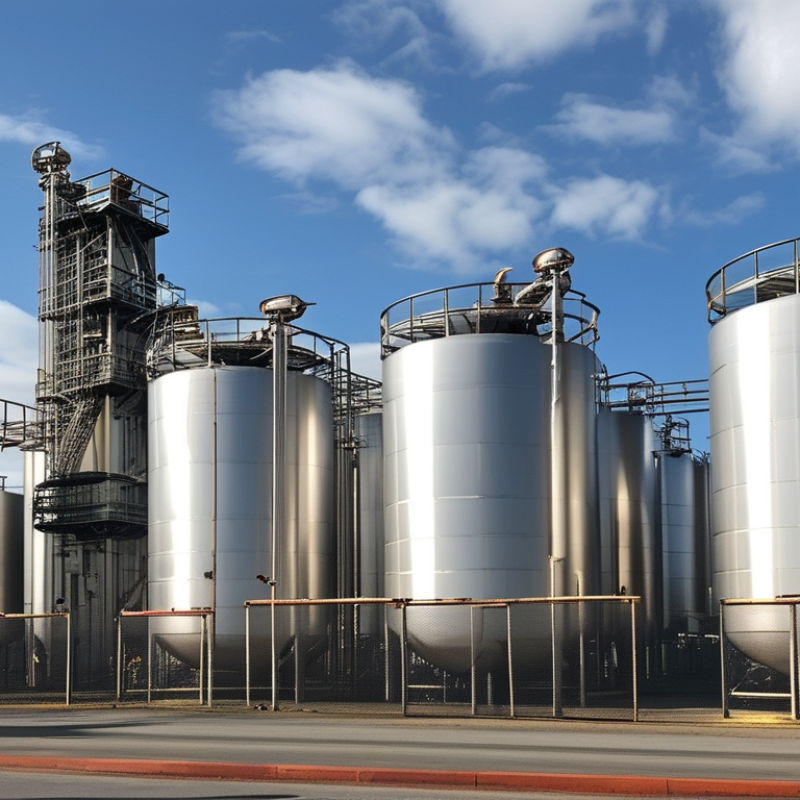
Chemical storage tanks are essential for safely storing various chemicals in industrial settings. They come in several types based on the material, design, and purpose. Common types include above-ground tanks, underground tanks, and portable tanks. Above-ground tanks are often used for larger volumes. They allow easier access for maintenance. Underground tanks are less visible but require more stringent monitoring for leaks. Portable tanks cater to temporary storage needs.
When selecting a tank, consider the material compatibility with the chemicals. For example, corrosive substances may need specialized materials like polyethylene. Ensure the tank design meets safety standards and can withstand environmental conditions. Adequate ventilation is crucial to prevent the buildup of harmful gases.
Tips: Always evaluate space limitations when choosing a tank. Measure the area carefully. Think about future expansion needs. Regular inspections are vital for maintaining tank integrity. Schedule routine checks. A poorly maintained tank can lead to environmental hazards.
Key Regulations Governing Chemical Storage Tanks in Various Industries
When it comes to chemical storage tanks, understanding the regulations is crucial. Different industries have specific guidelines that govern how chemicals are stored. Compliance with these regulations ensures safety and efficiency in handling hazardous materials. The Environmental Protection Agency (EPA) and Occupational Safety and Health Administration (OSHA) are key authorities setting standards. These regulations vary, with some focusing on spill prevention while others emphasize tank construction and maintenance.
Tips: Regularly review regulations relevant to your industry. Keeping informed can prevent costly violations. Use checklists to assess compliance. Document all safety measures taken.
Choose the right materials for your tank based on the chemicals stored. For instance, certain metals can corrode when exposed to specific substances. Understanding compatibility helps in preventing leaks and environmental hazards. It is important to regularly inspect tanks for signs of wear and tear. This maintenance is not just a recommendation—it is often a legal requirement.
Tips: Schedule routine inspections every few months. Train staff on how to recognize potential issues. Foster a culture of safety and compliance within your organization.
Factors to Consider When Selecting a Chemical Storage Tank Material
When selecting a chemical storage tank, material choice is crucial. Various materials offer distinct advantages and limitations. Common options include stainless steel, fiberglass, and polyethylene. The selection often hinges on properties of the chemicals intended for storage. For instance, corrosive substances may require more robust materials to prevent degradation.
Consider the chemical’s temperature and pressure conditions. Tanks must withstand these factors without leaks or failure. Additionally, environmental conditions can impact tank integrity. If exposed to sunlight or extreme temperatures, consider UV-resistant or insulated materials.
Tips: Evaluate the compatibility of the storage material with chemicals. Research specific chemical interactions. It’s vital to include safety features in tank design. Regular inspections and maintenance can extend the lifespan of storage tanks. Don't overlook the importance of drainage and venting to manage unexpected pressures effectively.
Industry Standards: Capacity and Size Requirements for Chemical Tanks
Choosing the right chemical storage tank requires understanding industry standards for capacity and size. The American National Standards Institute (ANSI) outlines specific guidelines. These guidelines ensure safe storage of various chemicals, thereby reducing risks in industrial settings. Proper sizing makes a significant difference in safety and efficiency.
When determining the capacity of a chemical tank, consider the type of chemicals stored. For instance, a 100-gallon tank might suffice for solvents. In contrast, larger tanks are crucial for bulk hazardous materials. According to a recent industry report, nearly 25% of chemical spills are due to inadequate tank sizing. This statistic highlights the need for precise measurements based on facility requirements.
Moreover, tank dimensions should align with operational processes. High temperatures, corrosive materials, and pressure levels impact tank choice. Many facilities neglect these factors, resulting in poor tank performance. Thus, consulting industry standards, and engaging with professionals ensures compliance and safety. Choosing correctly is not just about size; it’s about risk management.
Chemical Storage Tank Capacity and Size Requirements
This chart illustrates the capacity requirements for different types of chemical storage tanks according to industry standards. The data represents the average capacities of various tank types commonly used in chemical storage.
Best Practices for Maintenance and Inspection of Chemical Storage Tanks
Maintaining and inspecting chemical storage tanks is vital for safety and compliance. Regular maintenance helps avoid leaks and hazardous spills. Inspections should be systematic and thorough. Trained professionals should assess structural integrity. Look for signs of corrosion, cracks, or any wear. A visual check can reveal surface issues needing attention.
Documentation is essential. Keep records of inspections, repairs, and maintenance activities. This not only ensures regulatory compliance but also helps track the tank's condition over time. It’s easy to overlook minor issues, but neglected problems can escalate. Set a routine inspection schedule to avoid surprises.
Training staff to recognize potential problems is crucial. They should know the signs of issues like leaks early. Discussing past incidents and lessons learned can enhance awareness. Create a culture of safety to encourage proactive monitoring. Chemical storage tanks require constant attention to ensure safety and efficiency.