Inquiry
Form loading...

5 Best ASME Reactor Manufacturers Worldwide?

Choosing among the 5 Best ASME Reactor Manufacturers Worldwide requires more than comparing production capacity or market reputation. A reliable manufacturer must demonstrate pressure-vessel expertise, traceable materials, qualified welding procedures, and consistent inspection records. These details matter inside a reactor shop, where a small weld indication can delay testing, certification, and delivery.

Nuclear engineering professor Dr. Michael G. Corradini has emphasized, “Safety must remain the central measure of nuclear engineering.” That principle guides this review of leading ASME Reactor manufacturers. Each company is considered through engineering capability, ASME Section III compliance, quality assurance, fabrication experience, and after-sales support. The evaluation also considers reactor type, project scale, documentation quality, and evidence from completed installations.

No ranking is permanent. Market conditions change.

Some manufacturers appear strong on paper but provide limited public project data. Others have impressive facilities yet weaker international service networks. That gap deserves attention. Buyers should verify certificates, audit results, design references, and inspection procedures before signing a contract.

A serious ASME Reactor supplier should explain how it manages thermal stress, corrosion risks, non-destructive examination, and long-term maintenance. It should also communicate clearly when a design requires customization. The strongest manufacturers do not promise perfection. They identify limitations early and document corrective actions carefully.

This guide offers a practical starting point for engineers, procurement teams, and plant developers seeking dependable global partners.
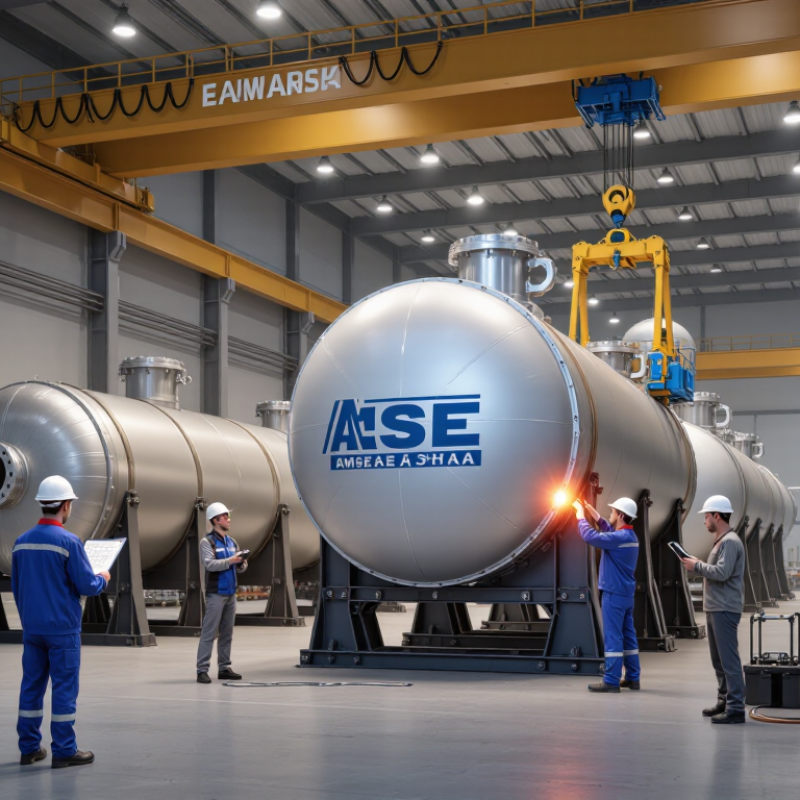
5 Best ASME Reactor Manufacturers Worldwide?

What Defines a Leading ASME Reactor Manufacturer?

A leading ASME reactor manufacturer combines practical experience, engineering depth, and disciplined quality control. It understands how pressure, temperature, agitation, and corrosive materials affect reactor performance. Experienced engineers review heat transfer, fatigue, vacuum conditions, and possible corrosion before fabrication begins. They also select suitable materials for the process, not merely the lowest-cost option.

Small details matter. Each plate should have traceable material records, heat numbers, and inspection documents. Qualified welders follow approved procedures, while inspectors verify weld quality through suitable non-destructive testing. The manufacturer should meet applicable ASME BPVC requirements and provide clear certification records. Independent inspection can add valuable confidence. Factory acceptance testing should examine pressure integrity, nozzle alignment, agitator fit, surface finish, and instrument connections.

Reliable manufacturers communicate openly when a design has limitations. No supplier is flawless. A reactor may require extra reinforcement, longer testing, or a revised internal component. Hiding these issues creates greater risk later. Strong technical teams explain their decisions and document every change. Their support continues after delivery through installation guidance, maintenance advice, spare-part planning, and responsive troubleshooting. A polished brochure proves little; consistent records, qualified personnel, and carefully inspected equipment reveal far more about manufacturing capability.
5 Best ASME Reactor Manufacturers Worldwide? — What Defines a Leading ASME Reactor Manufacturer?

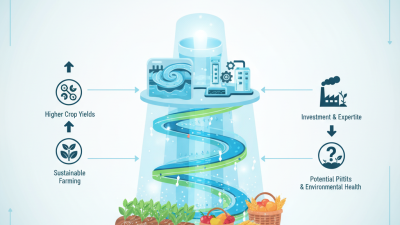
A leading ASME reactor manufacturer is typically evaluated by its ability to combine pressure-vessel compliance, welding qualification, material traceability, process engineering, and inspection quality. The chart presents a practical industry evaluation framework rather than a ranking of named companies.

The five dimensions reflect widely recognized requirements associated with ASME BPVC Section VIII, Section IX, material certification, non-destructive examination, and reactor-process engineering. Scores are benchmark priorities on a 100-point scale and are intended for supplier comparison and procurement planning.

Key Standards for Evaluating Global Reactor Manufacturers

5 Best ASME Reactor Manufacturers Worldwide?

Key Standards for Evaluating Global Reactor Manufacturers

Selecting leading reactor manufacturers requires more than comparing production capacity or glossy project photographs. A credible evaluation begins with ASME BPVC compliance, especially Section VIII for pressure vessels. Section IX also matters because it verifies welding procedures and welder qualifications. Ask for current certificates, design calculations, and material traceability records. Every plate should connect to a mill certificate and inspection report.

Experienced manufacturers explain their engineering decisions clearly. They should show finite element analysis when stress conditions become complex. Look for documented non-destructive examination, including radiography, ultrasonic testing, or dye penetrant inspection. Hydrostatic testing records should identify pressure, duration, temperature, and calibrated instruments. Small details reveal process discipline. Missing details deserve questions.

Quality systems matter as much as fabrication skill. Review inspection and test plans, corrective-action records, and subcontractor controls. A factory acceptance test can expose poor mixing, vibration, or instrument errors before shipment. For international projects, check how the manufacturer handles local pressure regulations alongside ASME requirements. Certification alone is not proof of dependable performance. Site audits and references from comparable services provide stronger evidence.

The evaluation is rarely perfect. Public information may be incomplete, and certificates can expire. A technically impressive vessel may still suffer from weak documentation or delayed support. In my experience, honest manufacturers discuss limitations early. That candor often indicates mature engineering judgment. Production data should support every major claim.

Five Notable ASME Reactor Manufacturers Worldwide

Five Notable ASME Reactor Manufacturers Worldwide

Choosing an ASME reactor manufacturer requires more than comparing prices. Safety records, engineering depth, and documentation quality matter equally. Five notable manufacturer groups include North American pressure-vessel specialists, German process-equipment engineers, Japanese heavy-industry fabricators, Indian reactor producers, and Chinese export-oriented vessel builders. Each group serves different project scales and chemical processes.

Experienced buyers inspect the manufacturer’s ASME certification, welding procedures, material traceability, and inspection reports. Reactor shells should match process pressure, temperature, agitation, and corrosion conditions. I have found that practical design reviews often reveal problems hidden in polished quotations. One overlooked nozzle location can complicate cleaning or maintenance. Some suppliers also provide finite-element analysis, factory testing, surface treatment, and installation guidance. However, certification alone does not guarantee strong project execution. Communication still matters.

Tips: Request sample quality documents before signing. Confirm the steel grade and lining system. Ask who performs non-destructive testing. Compare delivery schedules realistically. Do not ignore after-sales support. A technically impressive reactor can still become inconvenient when spare parts, drawings, or training arrive late.

5 Best ASME Reactor Manufacturers Worldwide? - Five Notable ASME Reactor Manufacturers Worldwide

Comparative capability profiles based on commonly published ASME pressure-vessel manufacturing practices. Technical limits vary by design, material, code edition, and project specification.
Profile Primary Manufacturing Region ASME Certification Scope Typical Reactor Types Typical Design Pressure Common Materials Common Industries Served Notable Capability
Profile 1 North America ASME Section VIII, Division 1; Section IX welding qualification; U-stamp pressure vessels Jacketed batch reactors, high-pressure stirred reactors, hydrogenation vessels Vacuum to approximately 150 bar, subject to engineering review Carbon steel, 304/316 stainless steel, nickel alloys, clad plate Chemical processing, pharmaceuticals, specialty chemicals, energy Custom-engineered vessels with agitators, coils, baffles, and sanitary internals
Profile 2 Western Europe ASME Section VIII, Division 1 and Division 2; PED alignment; Section IX welding procedures Fixed-bed reactors, loop reactors, autoclaves, pressure-rated process vessels Atmospheric to approximately 250 bar, depending on diameter and material Low-temperature carbon steel, stainless steel, duplex, nickel-based alloys Petrochemicals, polymers, fine chemicals, industrial gases Advanced stress analysis and fabrication of thick-wall, high-pressure equipment
Profile 3 East Asia ASME Section VIII, Division 1; Section IX; quality systems commonly aligned with ISO 9001 Glass-lined reactors, enamel-lined vessels, stirred reactors, hydrogenation reactors Full vacuum to approximately 100 bar for selected configurations Stainless steel, carbon steel with glass lining, titanium, Hastelloy-type alloys Pharmaceuticals, agrochemicals, food ingredients, specialty chemicals Integrated mixing, heat-transfer, vacuum, and corrosion-resistant lining options
Profile 4 South Asia ASME Section VIII, Division 1; Section IX; documented inspection and nondestructive testing programs Batch reactors, agitated vessels, resin reactors, hydrogenation vessels Vacuum to approximately 120 bar, based on vessel geometry and service Carbon steel, stainless steel, duplex stainless steel, clad construction Bulk chemicals, pharmaceuticals, polymers, water and wastewater treatment Flexible fabrication for medium-to-large process vessels and skid-mounted systems
Profile 5 Middle East and Oceania ASME Section VIII, Division 1; Section IX; project-specific compliance with API and client specifications Hydroprocessing reactors, amine reactors, slurry reactors, process pressure vessels Atmospheric to approximately 200 bar for selected process applications Carbon steel, low-alloy steel, stainless steel, corrosion-resistant cladding Oil and gas, refining, petrochemicals, mining and minerals processing Large-diameter fabrication, heavy-wall construction, and site installation support

Reactor Technologies and Industries Served by These Manufacturers

The five strongest ASME reactor manufacturers worldwide differ mainly in engineering focus, materials, and process experience. Some specialize in stainless steel pressure reactors for pharmaceuticals, biotechnology, and fine chemicals. Others build glass-lined reactors for corrosive reactions and demanding cleaning cycles. Their vessels may include jackets, coils, agitators, condensers, and vacuum-rated designs.

Manufacturers serving hydrogenation and polymer production often add high-pressure systems, mechanical seals, and accurate temperature control. Suppliers for food, nutraceutical, and personal-care plants usually emphasize hygienic surfaces, drainability, and clean-in-place access. Energy and petrochemical operators may require larger reactors, exotic alloys, thicker walls, and advanced mixing systems. Every design should match the process, not merely the catalog.

Reliable manufacturers provide material certificates, weld maps, non-destructive examination, pressure testing, and documented quality checks under ASME requirements. Experienced engineers also review heat transfer, residence time, corrosion risk, and agitator performance before fabrication. Small details matter, such as nozzle orientation and maintenance clearance. They are easy to overlook. A weakness remains: no manufacturer can predict every real process upset from drawings alone. Pilot testing, operator feedback, and field inspection still influence a dependable reactor.

Quality, Safety, Customization, and Global Support Comparison

5 Best ASME Reactor Manufacturers Worldwide?

Quality, Safety, Customization, and Global Support Comparison

Selecting an ASME reactor manufacturer requires more than comparing vessel prices. The strongest five suppliers usually show extensive pressure-vessel experience, documented welding procedures, and traceable material certificates. Quality begins with controlled fabrication. It continues through inspection, testing, and final documentation.

Safety depends on design discipline. Look for ASME Section VIII experience, qualified engineers, relief-device planning, and clear hazard reviews. Factory acceptance tests should match the reactor’s operating conditions. Ask how welds are examined, how deviations are recorded, and who approves changes. Details decide.

Customization separates capable manufacturers from routine fabricators. A practical supplier can adapt volume, agitation, heating, lining, nozzle layout, and automation without weakening safety margins. Good technical discussions include viscosity, corrosive chemicals, temperature cycles, cleaning methods, and maintenance access. I would also inspect past project references, not only polished photographs.

Global support is equally important. Reliable manufacturers provide installation guidance, spare-parts planning, training, and responsive troubleshooting across time zones. Their manuals should be clear enough for operators wearing gloves on a busy production floor. Some suppliers promise worldwide service but rely heavily on distant subcontractors. That deserves closer questioning.

No manufacturer is perfect. Delivery estimates can change, and customization may expose hidden costs. A careful buyer should compare engineering revisions, inspection scope, warranty terms, and local service availability. The best choice may not be the cheapest quotation. It is the supplier whose evidence remains consistent from the first drawing to commissioning.