Choosing an Ammonium Tower supplier in China involves more than comparing prices. Buyers need equipment that fits their process, site layout, and operating conditions. A tower may look convincing in a catalogue, yet its material grade, internal structure, and connection details determine whether it suits a real project. Small details matter. A flange position can affect installation; an unclear coating specification can complicate maintenance.
This introduction outlines practical points for evaluating manufacturers and suppliers serving global buyers. It considers engineering drawings, fabrication quality, inspection records, spare-parts availability, and export packaging. Ask for measurable details, such as material certificates, dimensional tolerances, and inspection scope, rather than relying on broad claims. Clear answers help buyers compare proposals and identify gaps before production begins. Still, documents alone cannot guarantee performance. Site conditions, feed characteristics, and operating practices also shape results. That part is easy to underestimate.
A capable supplier should explain assumptions, flag design limits, and respond consistently when specifications change. Buyers can also request references for comparable equipment and discuss installation support before placing an order. No supplier is perfect, and a low quotation may omit important services. Careful review takes time. This guide offers a grounded starting point for assessing China-based Ammonium Tower manufacturers, asking better questions, and choosing equipment with fewer surprises during delivery and operation.
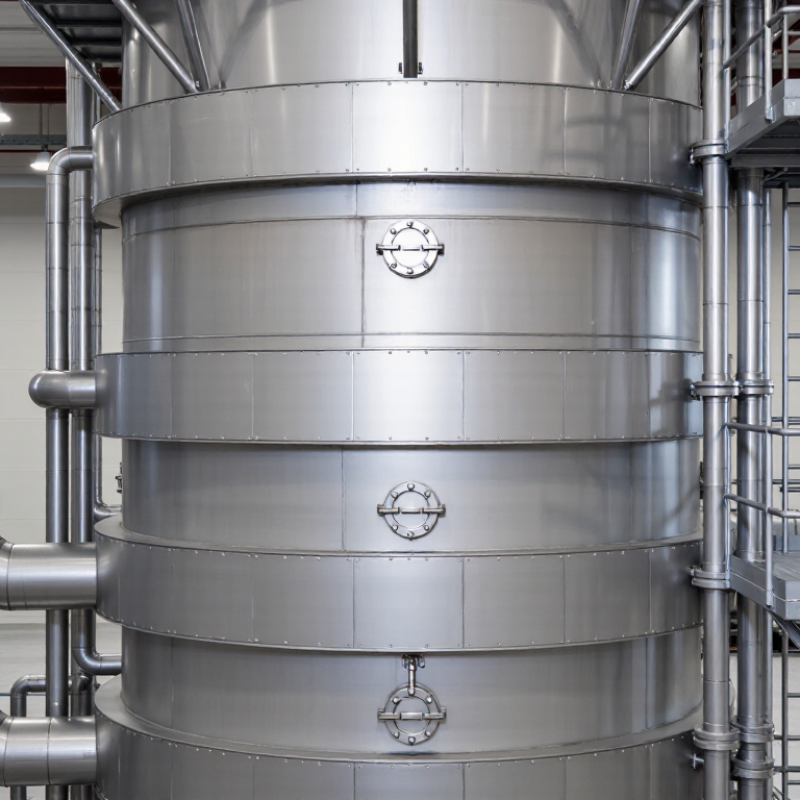
An ammonium tower is generally a gas–liquid contact vessel used to absorb ammonia into water or another suitable liquid. The terminology can vary between industries. Strictly speaking, ammonia gas (NH₃) forms ammonium ions (NH₄⁺) when it reacts in solution, so the intended process should be confirmed during design.
Inside the tower, gas and liquid move through packing or across trays, creating contact between the two phases. The liquid flows downward while ammonia-containing gas usually rises. More contact can improve absorption, but only when flow, temperature, and pressure are properly controlled. Small details matter. A blocked distributor can leave parts of the packing dry, reducing performance. A mist eliminator helps limit liquid droplets in the outgoing gas.
Operators commonly monitor liquid flow, temperature, pressure drop, and outlet gas concentration. Rising pressure drop may indicate fouling or restricted flow, though it does not identify the cause by itself. Materials must suit the process chemistry, and seals and instruments need regular inspection. No tower works well simply because it is tall. Actual performance depends on feed conditions and maintenance, and those assumptions sometimes need revisiting after startup.
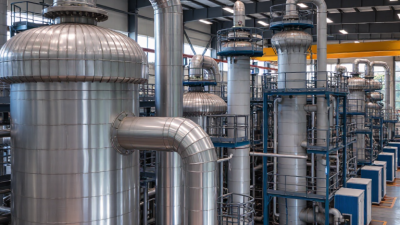
An ammonium tower’s service life depends on matching each component to the process stream. The shell contains the operating pressure and temperature, while nozzles provide defined routes for feed, product, and maintenance access. Depending on chemistry and conditions, construction may use carbon steel with a suitable lining or corrosion-resistant stainless steel. Material selection should follow process data, not a generic specification. Small changes in concentration can matter.
Inside the tower, trays or packing create contact between gas and liquid. Trays offer distinct stages; structured or random packing provides a large wetted surface with relatively low pressure drop. Liquid distributors must spread flow evenly. Poor distribution can leave dry zones and reduce performance. A demister near the outlet helps capture entrained droplets, and access points allow inspection without removing every internal part.
Gaskets, bolts, support grids, and instrument connections deserve the same attention as the main shell. Their materials must tolerate the actual temperature, moisture, and chemical exposure. Engineers can review corrosion records, conduct compatibility checks, and inspect welds before commissioning. No material is perfect. A lining may need careful repair, while an alloy can increase initial cost. That trade-off is easy to underestimate, especially when maintenance access is limited.
| Component | Primary Function | Common Material Options | Material Selection Considerations |
|---|---|---|---|
| Tower shell and heads | Contain the process gas and liquid and provide the main pressure-retaining structure. | Carbon steel; 304L or 316L stainless steel; corrosion-resistant alloy; lined steel or fiber-reinforced plastic (FRP) where suitable. | Selection depends on the process chemistry, pressure, temperature, corrosion allowance, and applicable design code. Confirm compatibility with ammonia, water, salts, and any contaminants. |
| Gas and liquid contact internals | Provide surface area and contact time for absorption, scrubbing, or other gas–liquid mass transfer. | Metal or plastic random packing; structured packing; trays made from suitable metals or plastics. | Consider operating temperature, liquid chemistry, fouling tendency, pressure drop, mechanical loading, and cleaning requirements. Plastic options have temperature and load limits. |
| Packing support grid | Supports packing while allowing gas and liquid to pass through the tower. | Stainless steel; carbon steel with a compatible protective lining; FRP or other engineered plastic. | Check support strength, open area, corrosion resistance, temperature limits, and compatibility with the packing and process liquid. |
| Liquid distributor | Spreads incoming liquid across the tower cross-section to promote even wetting. | 316L stainless steel; compatible alloy; polypropylene or other suitable thermoplastic. | Choose for chemical compatibility and resistance to plugging. Distributor design and levelness are important for consistent liquid distribution. |
| Mist eliminator | Removes entrained liquid droplets from gas leaving the tower. | 316L stainless steel mesh or vanes; polypropylene or other compatible polymer. | Consider droplet-removal requirements, gas velocity, temperature, pressure drop, fouling, and wash-down conditions. |
| Nozzles and manways | Provide process connections, inspection access, and maintenance entry points. | Materials compatible with the shell, such as carbon steel, stainless steel, lined steel, or FRP. | Verify that nozzle materials, linings, and reinforcement details are compatible with the vessel design and operating conditions. |
| Process piping and valves | Convey gas, liquid, drains, and wash streams to and from the tower. | Carbon steel, stainless steel, lined steel, or compatible thermoplastic piping, as appropriate to the service. | Evaluate fluid composition, concentration, temperature, pressure, erosion risk, and applicable piping standards before specifying materials. |
| Gaskets and seals | Maintain leak-tight joints at flanges, access covers, and instrument connections. | PTFE, expanded PTFE, suitable elastomers, or other chemically compatible gasket materials. | Confirm compatibility with the actual process fluid, temperature, pressure, flange facing, and compression requirements. |
| Fasteners and internal supports | Secure flanges, internals, platforms, and other tower attachments. | Carbon steel or corrosion-resistant stainless steel, selected for the environment and load. | Consider corrosion exposure, strength, galvanic compatibility, vibration, and accessibility for inspection and replacement. |
| Instrumentation connections | Provide measurement points for pressure, temperature, liquid level, and process monitoring. | Connection materials matched to the vessel; instrument wetted parts selected for chemical compatibility. | Specify measurement range and wetted-material compatibility based on the actual operating and cleaning conditions. |
Engineering note: Material choices shown are common options, not universal specifications. Final selection requires review of the actual process composition, concentration, temperature, pressure, mechanical loads, cleaning method, and relevant design codes.
Designing an ammonium tower in China starts with the process, not a standard drawing. Engineers review the medium, operating temperature, pressure, flow rate, and expected corrosion conditions. These details guide the tower diameter, height, internal layout, and material selection. The right design depends on the plant.
Depending on the process, a tower may use spray nozzles, trays, or packing to support gas-liquid contact. Engineers check access points, drainage, and maintenance clearance alongside performance. Small details matter. A nozzle placed too close to an inspection opening can make routine checks awkward. Material choices also need care: a grade suited to one solution may not suit another.
Manufacturing typically involves plate cutting, rolling, welding, and dimensional checks. Fit-up is checked. Weld inspection and pressure or leak testing follow the project specification and applicable requirements. Before shipment, teams verify connection locations and protect exposed surfaces for transport. One practical lesson is that drawings rarely answer every installation question. Confirming site interfaces early can prevent costly adjustments, though schedule pressure sometimes makes this step easy to overlook. Buyers can request material records, inspection reports, and clearances for maintenance before approving production.
For global buyers, ammonium tower quality starts with verifiable design and fabrication records. Check material certificates, weld maps, non-destructive testing results, and pressure-test documentation. Confirm that the design follows the pressure-vessel code required in the destination market. The ASME Boiler and Pressure Vessel Code is one reference used for pressure equipment, but requirements vary by project and jurisdiction. Details matter.
Tower applications depend on the process. Fertilizer and chemical plants may use towers for gas absorption, ammonia recovery, or scrubbing. In service, buyers should review the expected temperature, pressure, fluid composition, and corrosion risks. Internals such as packing, trays, and mist eliminators must suit the operating conditions. A neat drawing is not enough.
The International Energy Agency’s 2021 Ammonia Technology Roadmap reports that ammonia production uses about 2% of global final energy and accounts for around 1.3% of energy-system CO2 emissions. That scale makes reliable operation relevant to plant efficiency, not just equipment life. Still, a certificate alone cannot confirm performance in every operating condition. Request inspection records and discuss realistic test parameters before acceptance. Some details are easy to miss.
Global buyers should evaluate Chinese ammonium tower suppliers through verifiable engineering evidence, not catalog claims. Request process drawings, design pressure and temperature, gas and liquid flow ranges, and the basis for material selection. For corrosive service, ask how welds, linings, and inspection points are specified. Ask for evidence. A clear inspection plan matters more than polished photographs.
The International Energy Agency’s Ammonia Technology Roadmap (2021) estimates that ammonia production uses about 2% of global final energy and causes roughly 1.3% of energy-related carbon dioxide emissions. These figures describe the wider industry, not one tower, but they show why operating efficiency deserves careful review. Compare supplier calculations with documented operating data, including pressure drop, absorption performance, and maintenance intervals. Request references for similar feed composition and capacity; results from a different process may not transfer.
Factory audits can clarify what documents cannot. Check material certificates, welding records, dimensional inspection reports, and performance-test procedures. Confirm what the quoted scope excludes, such as packing, instruments, or commissioning support. Numbers need context. A lower purchase price may conceal extra site work, while a detailed report can still contain assumptions that need checking. Ask the supplier to explain those assumptions in writing before comparing bids.
Example buyer scorecard showing suggested evaluation weights. These are planning weights, not market statistics; adjust them to suit the project and applicable requirements.
Compare suppliers using documented evidence, such as relevant project references, technical specifications, inspection and testing plans, quality-system documentation, delivery schedules, and after-sales support terms.