Top 10 Ammonium Tower Manufacturers Worldwide?
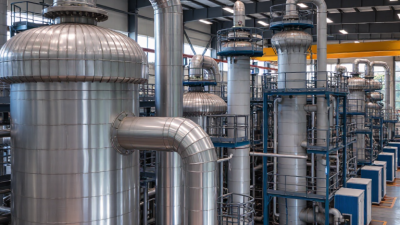
Ammonium Tower technology sits at the intersection of fertilizer production, particle engineering, and process safety. The term often refers to prilling or granulation towers used for ammonium nitrate and related products. Designs differ in height, cooling method, spray arrangement, materials, and emission controls. A tower may look like a simple concrete structure. Inside, temperature, airflow, droplet size, and residence time must remain carefully balanced.
The International Energy Agency’s Ammonia Technology Roadmap reports that global ammonia production reached approximately 180 million tonnes in 2021. It also notes that ammonia production contributes about 2% of global final energy use and 1.3% of energy-related carbon dioxide emissions. Fatih Birol, the IEA’s Executive Director, has described ammonia as “essential for feeding the world.” That statement explains why tower reliability affects more than factory output. It affects fertilizer availability, energy demand, and environmental performance.
This Top 10 Ammonium Tower Manufacturers Worldwide overview considers engineering experience, production capacity, tower control systems, dust reduction, safety design, and after-sales support. The analysis draws on the IEA report, the International Fertilizer Association’s Medium-Term Fertilizer Outlook 2024–2028, and public manufacturer documentation. A ranking can still mislead. Some companies publish detailed references, while others disclose very little. Field experience matters. A clean inspection platform, stable melt distribution, and consistent particle size often reveal more than promotional language. The selected manufacturers should therefore be viewed as leading candidates, not as an absolute global verdict.
Ammonium Tower Types: Absorption, Scrubbing, and Prilling Technologies
Top 10 Ammonium Tower Manufacturers Worldwide?
Comparing the top ten ammonium tower manufacturers requires more than counting installations. Technology choice matters. Absorption towers dissolve ammonia into water or acid, creating a controlled solution with strong heat removal. Scrubbing towers capture ammonia mist and fine particles from process air. Prilling towers form droplets, cool them through rising air, and produce uniform solid granules.
The IFA Medium-Term Fertilizer Outlook 2024–2028 projects global fertilizer demand to approach 205 million tonnes of nutrients by 2028. That growth increases pressure on tower efficiency, corrosion control, and emission monitoring. EPA AP-42 guidance identifies ammonia and particulate releases as key concerns in fertilizer operations. Experienced buyers should therefore examine pressure drop, acid resistance, droplet size, outlet concentration, and cleaning access. Small design details matter. A low-cost tower can become expensive during shutdowns.
Tips: Request verified operating data, not only catalog values. Check performance across start-up, load changes, and wet-weather conditions. Ask for independent stack-test records and material certificates. Prilling quality also depends on melt temperature, nozzle design, air distribution, and tower height. A few degrees can change granule strength. Yet, no ranking is universally fair; regional service, feedstock chemistry, and local standards can change the result. Some published capacity figures may also reflect ideal conditions, not daily operation. That point deserves closer review.
How to read this chart
This technology-only benchmark compares representative industrial tower-height ranges.
Absorption and scrubbing towers are generally compact, while prilling towers are substantially
taller because they require sufficient free-fall distance for droplet solidification. Actual
dimensions vary with capacity, material properties, emissions targets, and site conditions.
Global Market Context: Ammonia Production Exceeded 180 Mt in 2020 (IEA)
Top 10 Ammonium Tower Manufacturers Worldwide?
Ammonia production exceeded 180 million tonnes in 2020, according to the International Energy Agency. This volume supports fertilizer, chemical, refrigeration, and industrial operations worldwide. It also increases demand for reliable absorption, stripping, and scrubbing towers. A serious top-ten comparison should examine engineering experience, not marketing language. Manufacturers with verified project records often understand changing feed conditions, corrosion risks, and difficult plant environments.
Tower quality depends on practical details. These include material selection, packing design, pressure drop, liquid distribution, and inspection access. Experienced suppliers can provide process calculations, fabrication records, weld procedures, and commissioning support.
References from comparable ammonia facilities are valuable evidence. However, a global ranking is never completely objective. Public data may be incomplete, and low-cost equipment can appear attractive before maintenance begins. That deserves careful reflection.
Tips: Request performance guarantees and test documentation. Check internal components, not only shell thickness. Ask how the tower handles temperature changes, contamination, and shutdown cycles. Confirm spare-part availability and local service capability. A site visit can reveal more than a polished brochure. Record operating results after commissioning, because early assumptions are sometimes wrong.
Ranking Criteria: Capacity, Safety, Efficiency, Innovation, and Global Service
A credible Top 10 ammonium tower manufacturers ranking should begin with verified capacity, not impressive brochures. IFA’s Medium-Term Fertilizer Outlook 2024–2028 expects global fertilizer demand to grow by roughly 2.6% annually. Therefore, manufacturers need stable output, flexible tower design, and documented performance at different production rates. Capacity matters, but oversized equipment can increase energy use and maintenance risks.
Safety should carry equal weight. IFC’s Environmental, Health, and Safety Guidelines recommend layered protection, controlled emissions, emergency systems, and strong operator training for fertilizer facilities. A serious evaluation should inspect incident records, alarm testing, dust control, corrosion protection, and commissioning procedures. Efficiency requires more than production speed. Energy intensity, heat recovery, product consistency, and water use deserve measurable scores. ISO 50001-based energy management can provide useful evidence, although certification alone proves little.
Innovation includes digital monitoring, predictive maintenance, improved granulation control, and lower-emission designs. Global service is equally practical: spare-part availability, local technicians, remote diagnostics, and response times during shutdowns. The World Bank’s Logistics Performance Index shows how uneven international delivery reliability remains, so service networks should be tested, not assumed. No scorecard is perfect. A manufacturer may lead in capacity yet struggle with field support. Rankings should disclose data gaps, use audited references, and revisit results after real operating experience.
Top 10 Ammonium Tower Manufacturers: Technologies, Projects, and Regions
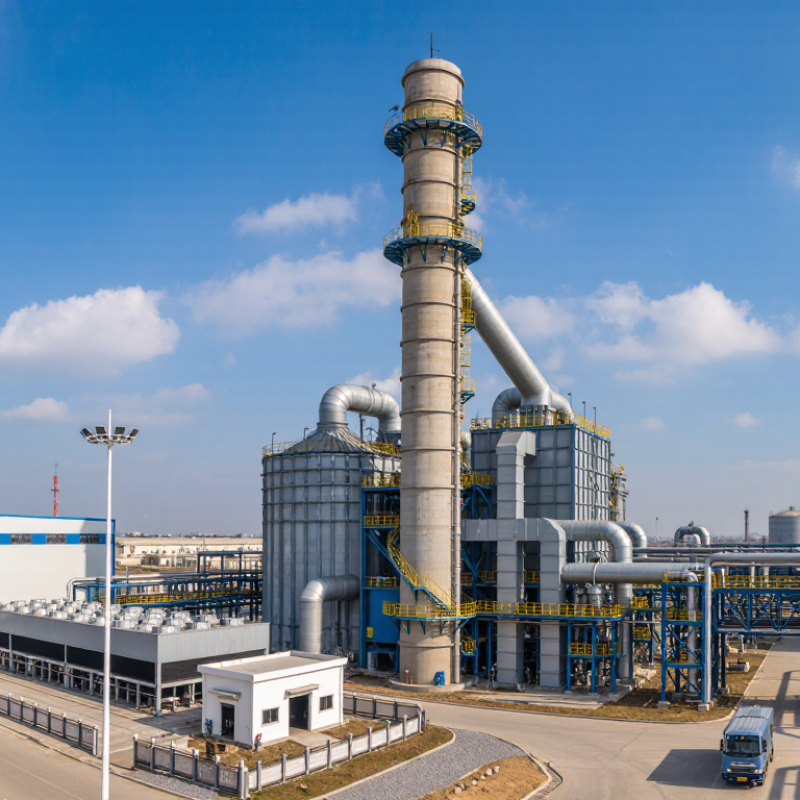
A credible Top 10 list of ammonium tower manufacturers should examine technology, project evidence, and regional capability. The strongest suppliers design complete ammonium nitrate prilling or granulation systems, not only the tower shell. Their engineering covers melt distribution, cooling airflow, dust collection, scrubbers, and process controls. Tower height may exceed 60 meters, while nozzle layout directly affects particle size and product strength.
European manufacturers often emphasize low-emission systems and compact retrofits. Asian suppliers commonly support large fertilizer complexes with high production rates and local fabrication. Middle Eastern contractors focus on integrated plants, desert cooling conditions, and fast project schedules. North American specialists usually provide modernization, inspection, and control upgrades for existing towers. In every region, reliable manufacturers show commissioning records, material specifications, maintenance plans, and measurable emission performance.
Project evaluation should include tower diameter, annual capacity, corrosion protection, fan redundancy, and scrubber efficiency. A useful reference visit can reveal blocked nozzles, uneven deposits, or excessive vibration that brochures never mention. No ranking is perfect. Some suppliers have excellent process designs but limited after-sales coverage outside their home region. Others offer strong field service yet depend on third-party equipment. Independent safety reviews, documented operating data, and realistic lifecycle costs should guide the final selection. Frequent operator training also matters, especially when seasonal temperatures change airflow behavior.
Technical Comparison: Throughput, Materials, Emissions, and Energy Performance
Top 10 Ammonium Tower Manufacturers Worldwide?
Comparing the top ten ammonium tower manufacturers requires more than advertised capacity. Throughput should be measured in tonnes per hour, product concentration, and operating hours. A tower rated at 1,200 tonnes daily may perform differently under humid feed conditions. Ask for verified mass-balance records, not only catalogue figures. Real production data matters.
Materials determine service life. Stainless steel grades, protective linings, and corrosion-resistant internals must match temperature, acidity, and ammonium chemistry. Inspectors should check weld quality, nozzle design, packing support, and access for maintenance. Small design faults can create deposits, uneven cooling, or costly shutdowns. They happen.
Emissions performance separates experienced manufacturers from ordinary fabricators. Compare dust capture efficiency, ammonia slip, plume visibility, and scrubber pressure drop. Energy analysis should include fans, pumps, cooling air, compressed air, and heat recovery. A lower kWh-per-tonne figure is useful, but only when throughput and product quality remain stable. Request third-party testing under comparable conditions. Some published figures look precise, yet omit seasonal humidity, startup losses, or cleaning cycles. That omission weakens confidence. A dependable supplier should provide commissioning records, operator training, spare-parts support, and clear maintenance intervals. Safety systems also deserve scrutiny, including temperature monitoring, pressure relief, fire protection, and controlled access. Cost is important, but an inexpensive tower with unstable emissions can become expensive very quickly.